
Furniture in 2026: Less trend, more taste (and why that’s good news)
If you’ve seen a few “2026 furniture trends” articles doing the rounds, you might be wondering whether you’re meant to be taking notes. New shapes, new finishes, new must-haves. It can all start to feel like homework.
Here’s my honest take. I’m not a designer who follows trends, and I never want my clients to feel like they’re racing to keep up. Trend-led rooms date quickly, and I’m far more interested in designing homes that feel calm, personal and lived-in for years.
That said, I do pay attention to what’s happening in the industry, because sometimes it reveals something useful: what people are craving, what’s coming back into favour, and what we’re collectively moving away from. And right now, what I’m seeing is less about a specific “look”, and more about a shift in values.
The best part? It aligns beautifully with timeless design.
The bigger shift I’m noticing: furniture that feels human
Across the board, there’s a growing appreciation for pieces that feel made, not manufactured. Furniture with texture, patina, and craft. Rooms that feel collected, not staged. A move away from glossy perfection and matching sets, and towards homes that have a bit of soul.
This isn’t new. It’s simply a return to what has always worked in beautiful homes: quality materials, thoughtful proportions, and pieces chosen with intention.
And for Australian homes, especially in Sydney where we often balance natural light, indoor-outdoor living and busy family routines, this direction makes a lot of sense. It’s warmer. It’s more forgiving. It feels better to live in.
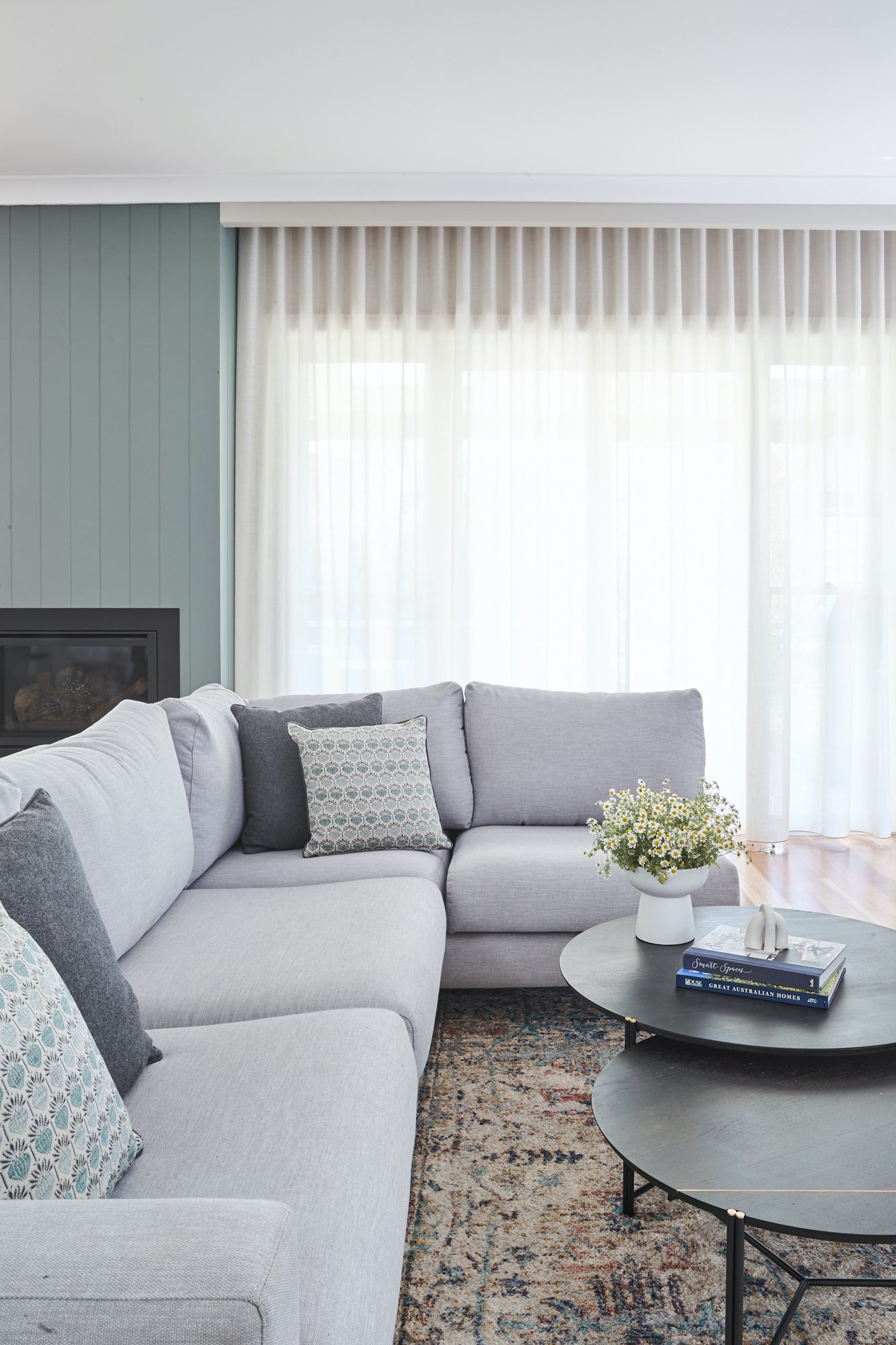
A living space with soul: soft texture, gentle patina and pieces that feel collected, not staged | Inside Out Colour & Design
What matters more than “what’s in” for 2026
Before you buy anything, the real questions are:
Will this piece still feel right in five to ten years?
Does it work with the architecture and mood of your home?
Does it support the way you live, not just the way you want it to photograph?
Will it age well, or will it look tired once the novelty wears off?
When those answers are clear, the room starts to come together in a way that doesn’t rely on trends at all.
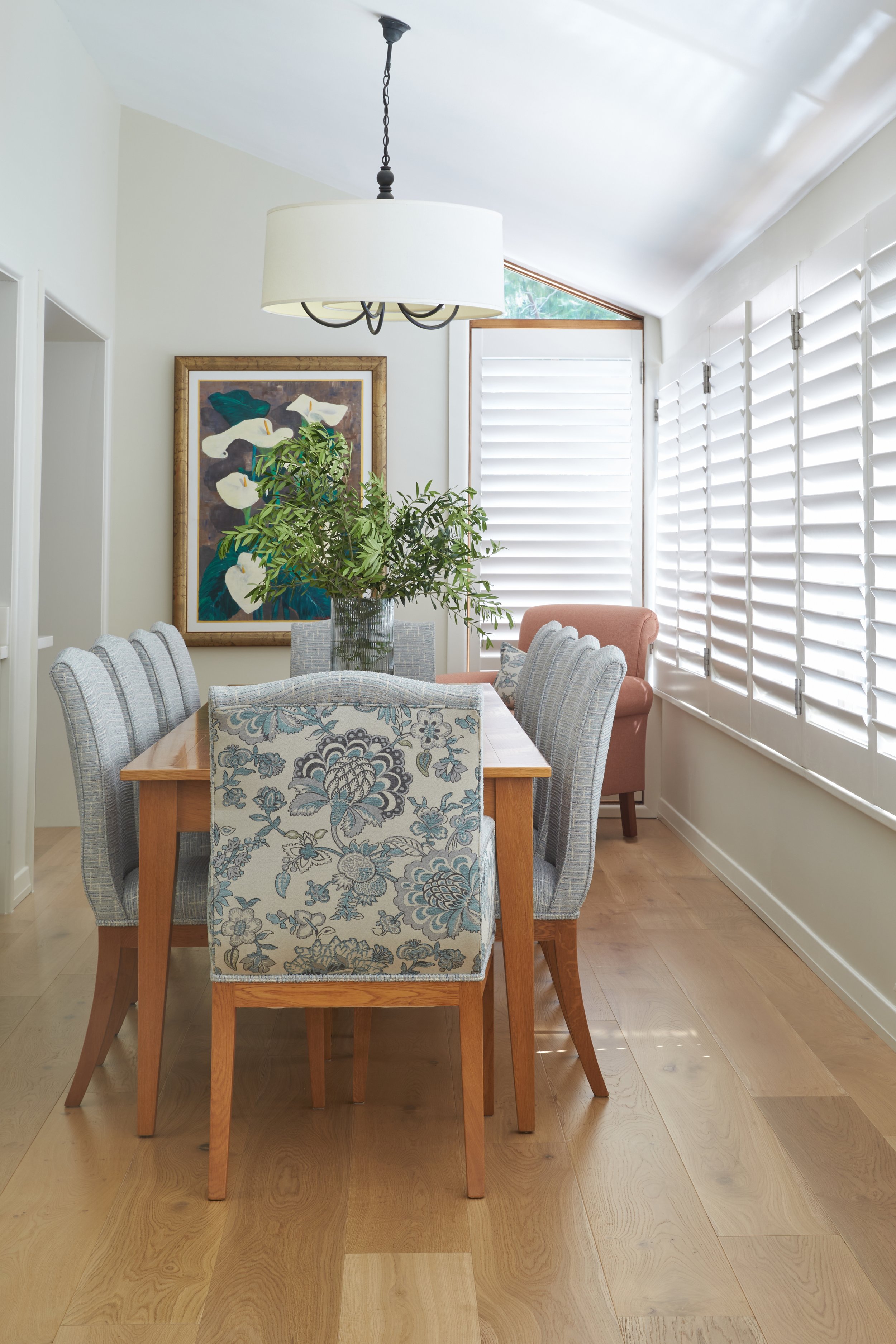
Choose pieces that suit your home and lifestyle, and they will still feel right years from now | Inside Out Colour & Design
6 furniture directions that are worth noticing (because they’re timeless)
I’ll call these “directions” rather than trends, because they’re not about chasing something new. They’re simply reminders of what works.
1) Warmth is winning again
We’re seeing a move away from rooms that feel stark or overly crisp, and a return to warmth. That can come through timber tones, softer fabrics, warmer metals, and overall contrast that feels gentle rather than sharp.
In a Sydney context, warmth helps balance bright light and hard surfaces. It also makes open-plan spaces feel more grounded.
2) Texture is doing the heavy lifting
A room can be mostly neutral and still feel interesting if it has texture. Nubby upholstery, timber grain, woven materials, matte finishes, honed stone, tactile rugs.
Texture is one of the easiest ways to create personality without creating a “statement” room that dates.
3) Craft and detail are becoming the point of difference
A beautifully made chair, a properly proportioned dining table, a sideboard with thoughtful joinery detail. These pieces bring quiet confidence to a space.
In other words, less “what’s the feature?” and more “everything feels considered”.
4) Mixing old and new feels more natural than matching
Some of the most timeless rooms I design include a blend. A contemporary sofa with a vintage coffee table. A modern dining table with more classic chairs. A new rug grounding older timber pieces.
Matching everything perfectly can make a home feel like a display. Mixing pieces thoughtfully makes it feel lived-in and personal.
5) Comfort is not optional
This is a big one. People want furniture that feels good to sit on, lounge in, and live with. Comfort doesn’t mean sloppy. It means the scale is right, the depth works, and the fabric suits real life.
A beautiful room that doesn’t feel comfortable rarely gets used the way you hoped.
6) “Collected” beats “completed”
The most timeless homes don’t look like they arrived in one delivery. They look like they were built over time. That doesn’t mean clutter. It means restraint and intention, with space for a room to evolve.
I’m a big fan of leaving breathing room so the pieces you choose actually have presence.
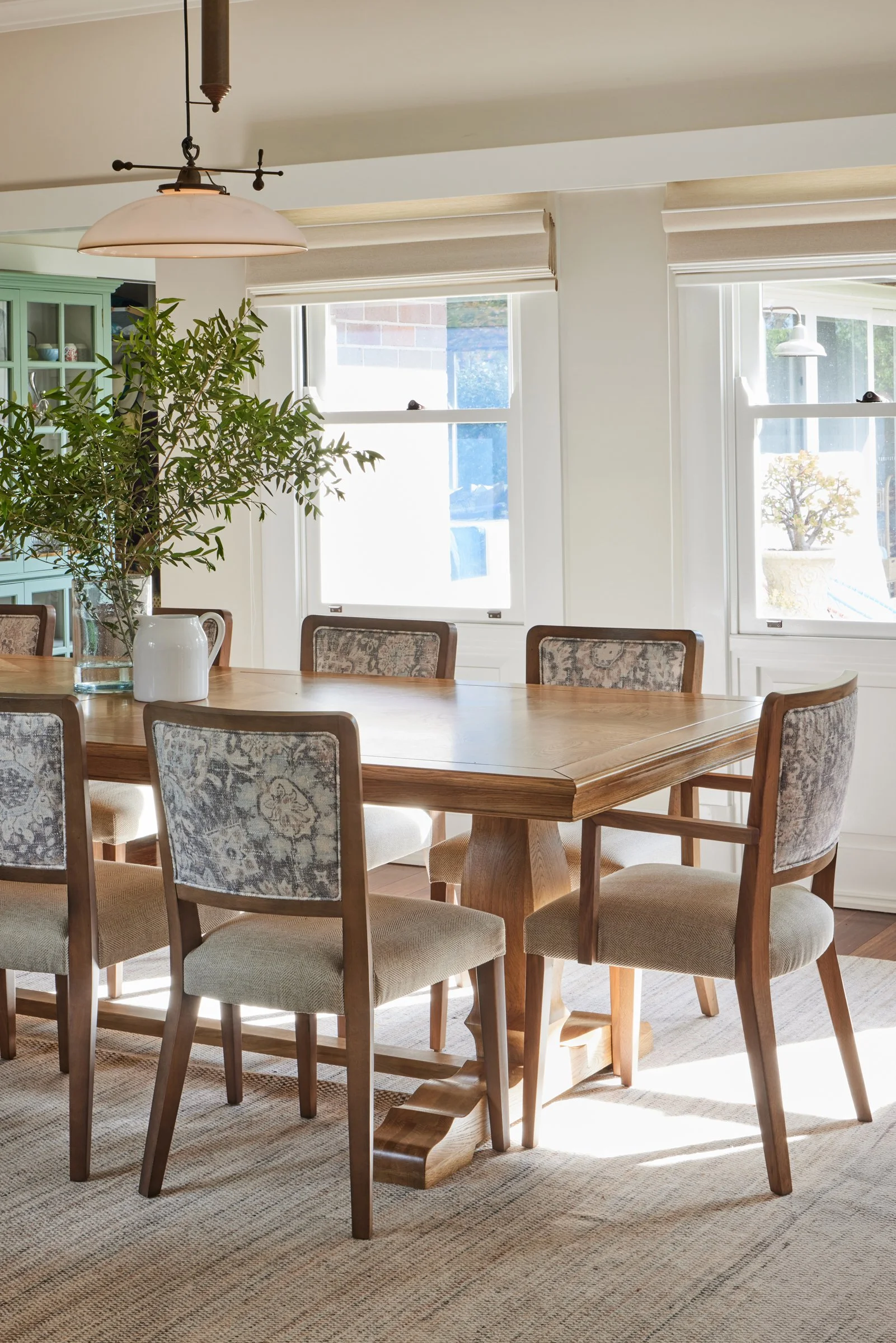
Warmth and texture, timelessly: timber, soft upholstery and gentle layers that make a dining space feel inviting | Inside Out Colour & Design
How to use these ideas without buying a whole new house worth of furniture
You don’t need a dramatic overhaul. What you need is clarity.
My approach is usually:
choose one key piece that sets the tone (often a sofa, dining table, or beautiful vintage find)
build around it with a supporting cast that is quieter
repeat finishes and tones so it feels cohesive
prioritise scale and comfort so the room functions beautifully
This is where people often get stuck. Not because they have “bad taste”, but because they’re making decisions one item at a time without an overall plan.
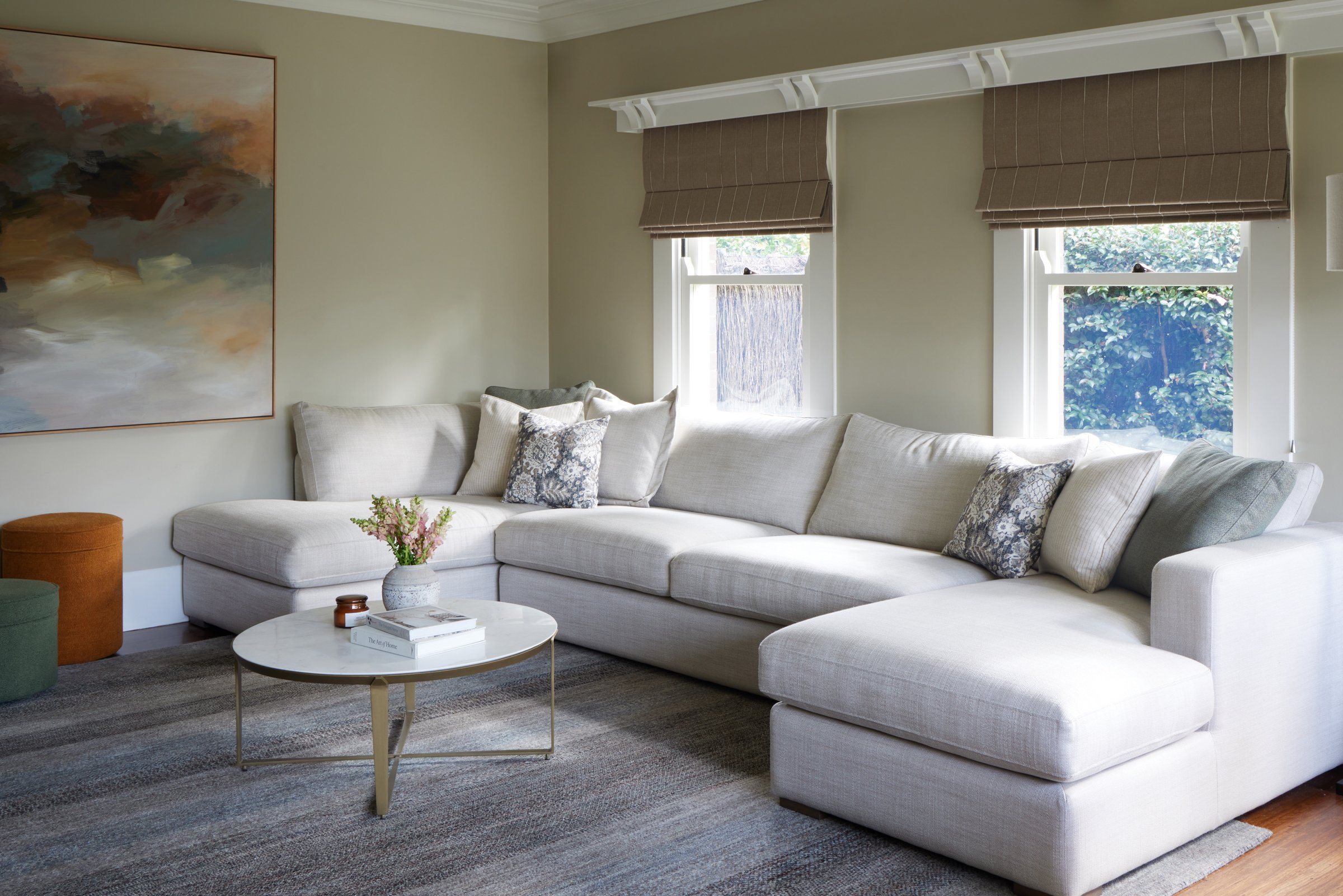
Start with one hero piece, then build quietly around it for a cohesive room that feels calm, comfortable and complete | Inside Out Colour & Design
The Inside Out Colour & Design approach: timeless first, always
If a so-called trend supports timeless design, comfort, and quality, I’m happy to take note. If it’s a short-lived look that relies on novelty, I’m not interested.
Your home should feel like you. It should suit your architecture, your lifestyle and your future plans, not the internet’s current obsession.
If you’re in Sydney and you’re thinking about updating furniture, blending old pieces with new, or creating a more cohesive look without starting from scratch, I can help you make those decisions with confidence. The goal isn’t to be “on trend”. The goal is to create a home that feels right. Reach out today!
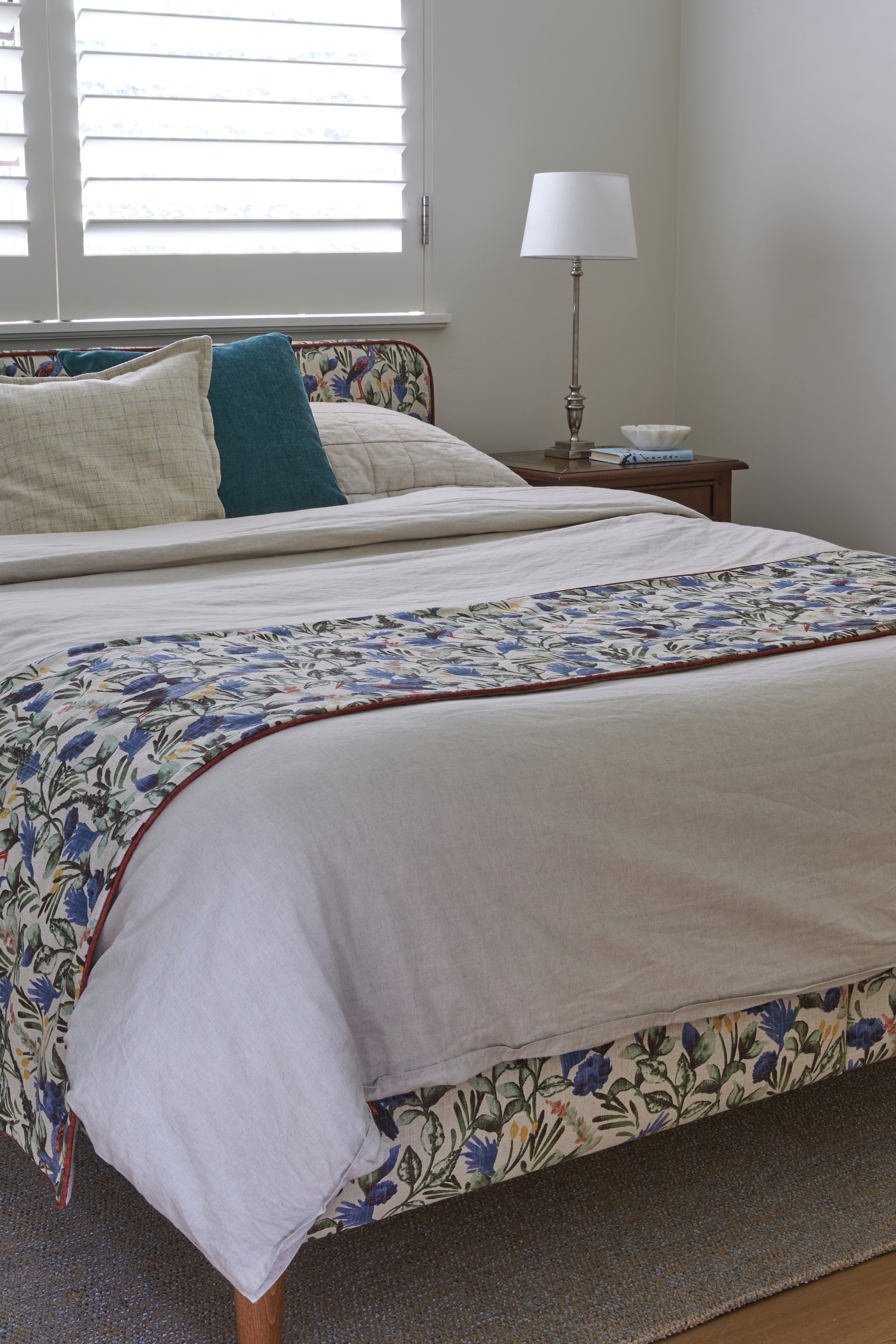
Timeless first: calm layers, quality fabrics and a hint of pattern that will still feel right years from now | Inside Out Colour & Design