
Great Design Starts Long Before Construction Begins
It is about understanding how people live.
It is about behaviour, flow, comfort, sightlines, storage, lighting, texture, function and feeling. It is about making sure the home supports the people who live in it, not just visually, but practically and emotionally.
By the time construction starts, many of the most important decisions have already been made. Doorways, window positions, room sizes, circulation paths, ceiling heights, electrical points, plumbing locations and joinery zones all influence how the finished home will feel.
That is why bringing an interior designer in early can make such a difference.
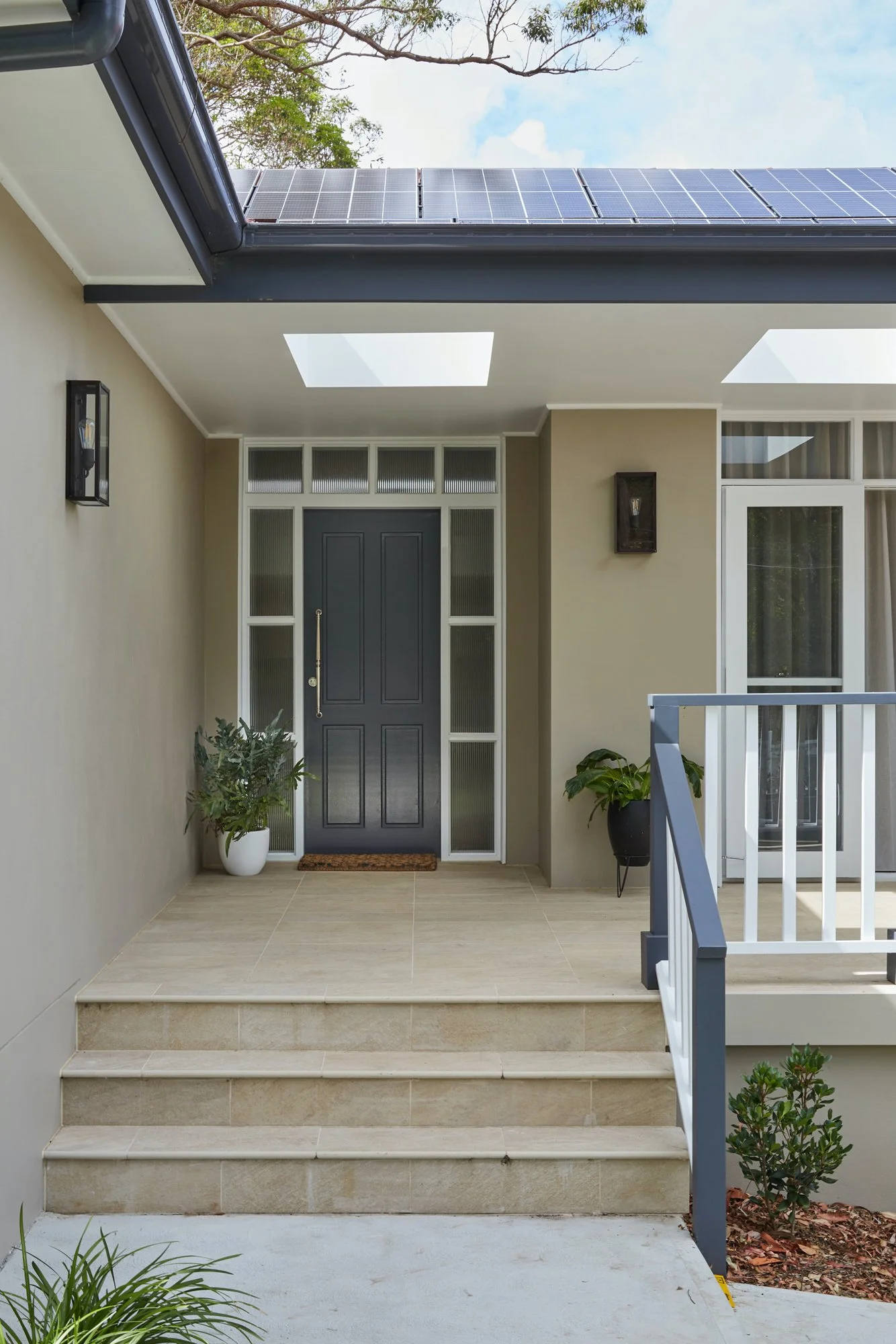
The best homes are planned around real life, from the way you move through the entry to what you see, feel and use every day | Inside Out Colour & Design
Collaboration creates better homes
A truly successful project starts with collaboration.
The best outcomes happen when the client, architect or building designer, builder and interior designer work together from the earliest practical stage. Each person brings a different kind of expertise.
The architect or building designer considers the building’s form, proportions, orientation, structure and relationship to the site. The builder understands construction, sequencing, cost, buildability and practical site realities. The client brings lived experience, priorities, habits and hopes for the home. The interior designer brings the inside-out perspective.
None of these viewpoints is more important than the others. They are simply different lenses.
When there is trust and respect between all parties, those perspectives combine to create a much stronger result. Problems are identified earlier. Opportunities are spotted before they disappear. Decisions are made with the whole project in mind, rather than one room or one finish at a time.
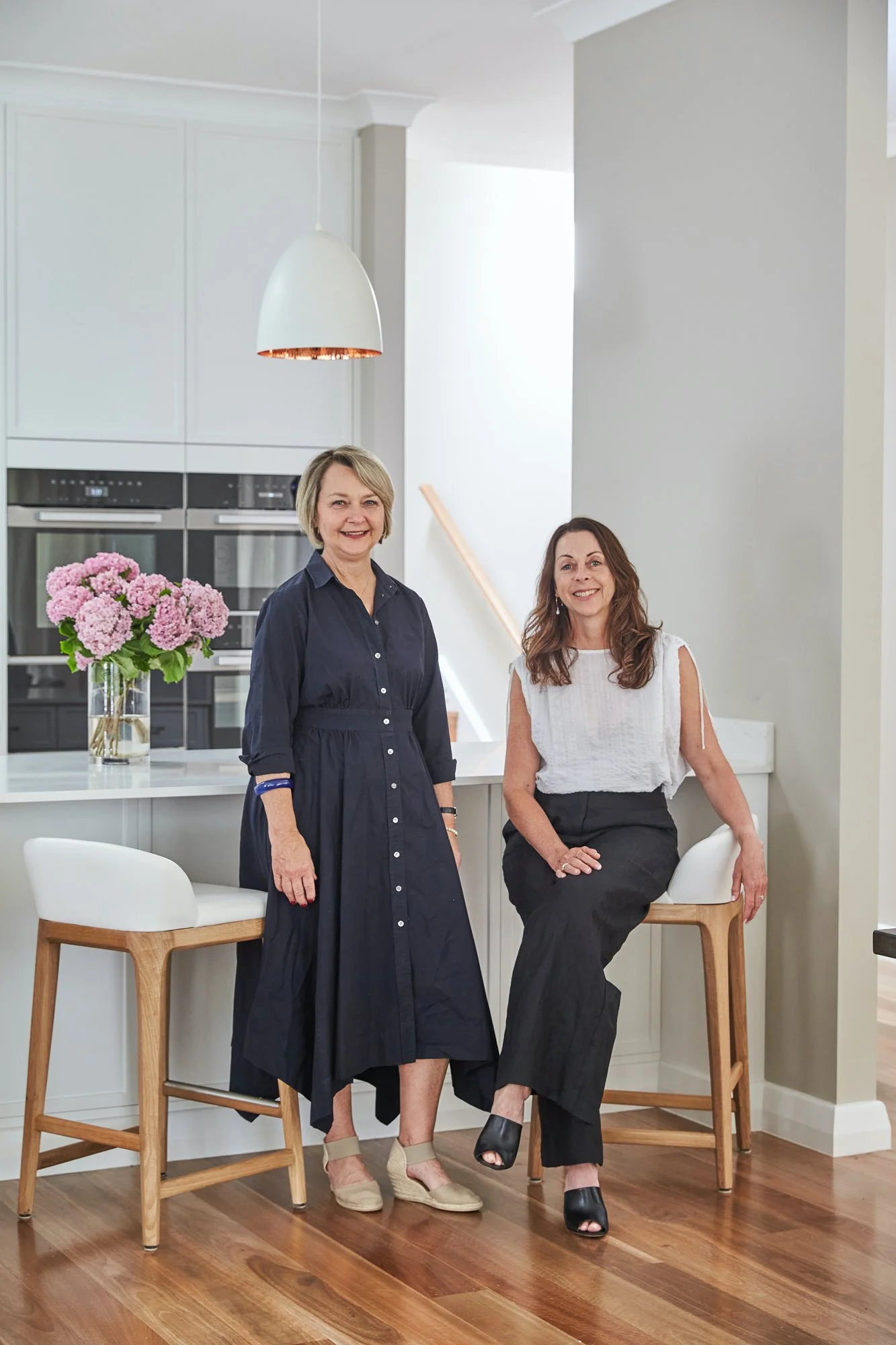
Great design is always a collaboration, with each perspective helping shape a home that feels considered, practical and beautifully resolved | Jennifer and Sharon, Inside Out Colour & Design
The outside-in and inside-out difference
Architects and building designers often approach a project from the outside in. They are thinking about the form of the building, how it sits on the block, how it relates to neighbouring properties, how light enters the home and how the structure works.
Interior designers tend to approach the home from the inside out.
We are thinking about what it will feel like to live there.
How will the family move through the house in the morning? Where will school bags, shoes, laptops or sports gear land? What will you see when you walk through the front door? Where will guests gather? Will the kitchen support the way you actually cook and entertain? Will the living room feel inviting at night? Will the main bedroom feel calm and private?
These questions might sound simple, but they have a huge impact on whether a home feels effortless or frustrating.
A house can be beautifully designed and still feel awkward if the inside experience has not been considered carefully. That is where early interior design input is so valuable.
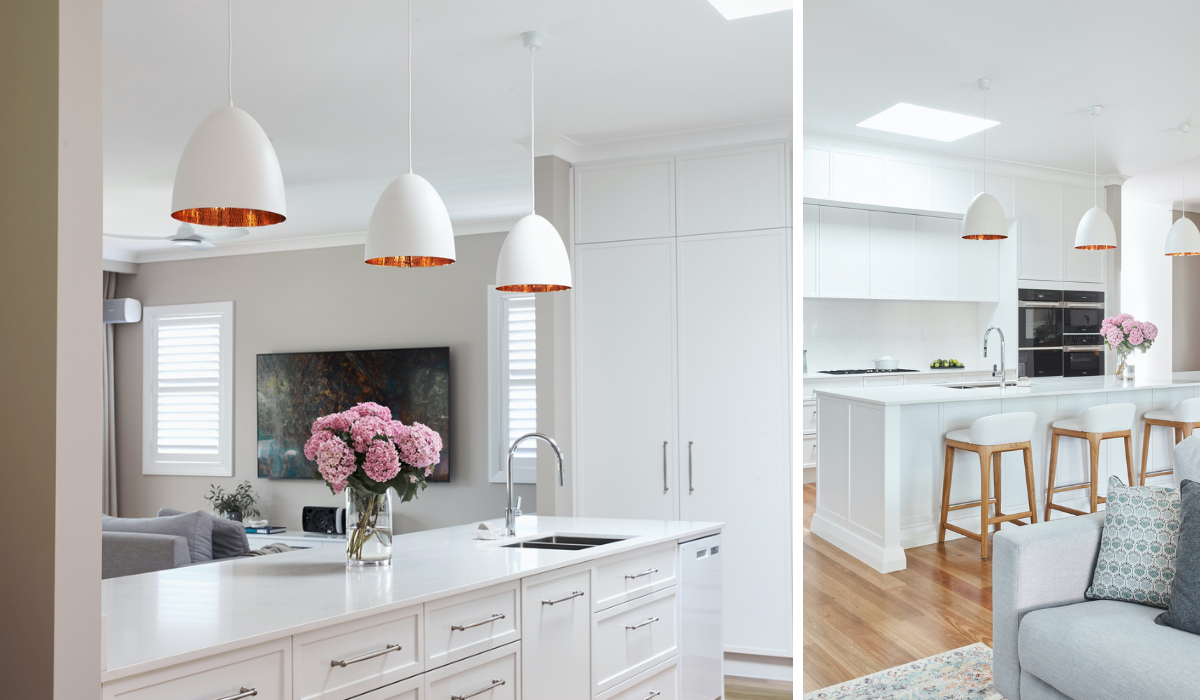
Interior design brings the inside-out perspective, shaping how each space feels, flows and supports daily life | Inside Out Colour & Design
Small details can have a big impact
Often, it is the smallest details that make the biggest difference to how a home feels.
One of my personal design pet peeves is being able to see a toilet directly from a hallway, living area or main sightline. It may seem like a small thing, but once you notice it, it affects the whole experience of that space.
The solution is often simple if it is caught early. A doorway might be repositioned. A nib wall might be added. A layout might be adjusted. But if those decisions are left until the walls are framed, or worse, once the room is finished, they become much harder and more expensive to change.
The same applies to many design details. The placement of a window. The direction a door swings. The view from one room into another. The location of a light switch. The depth of joinery. The way a kitchen island relates to the dining area.
These are not glamorous decisions, but they are the decisions that make a home feel good every day.
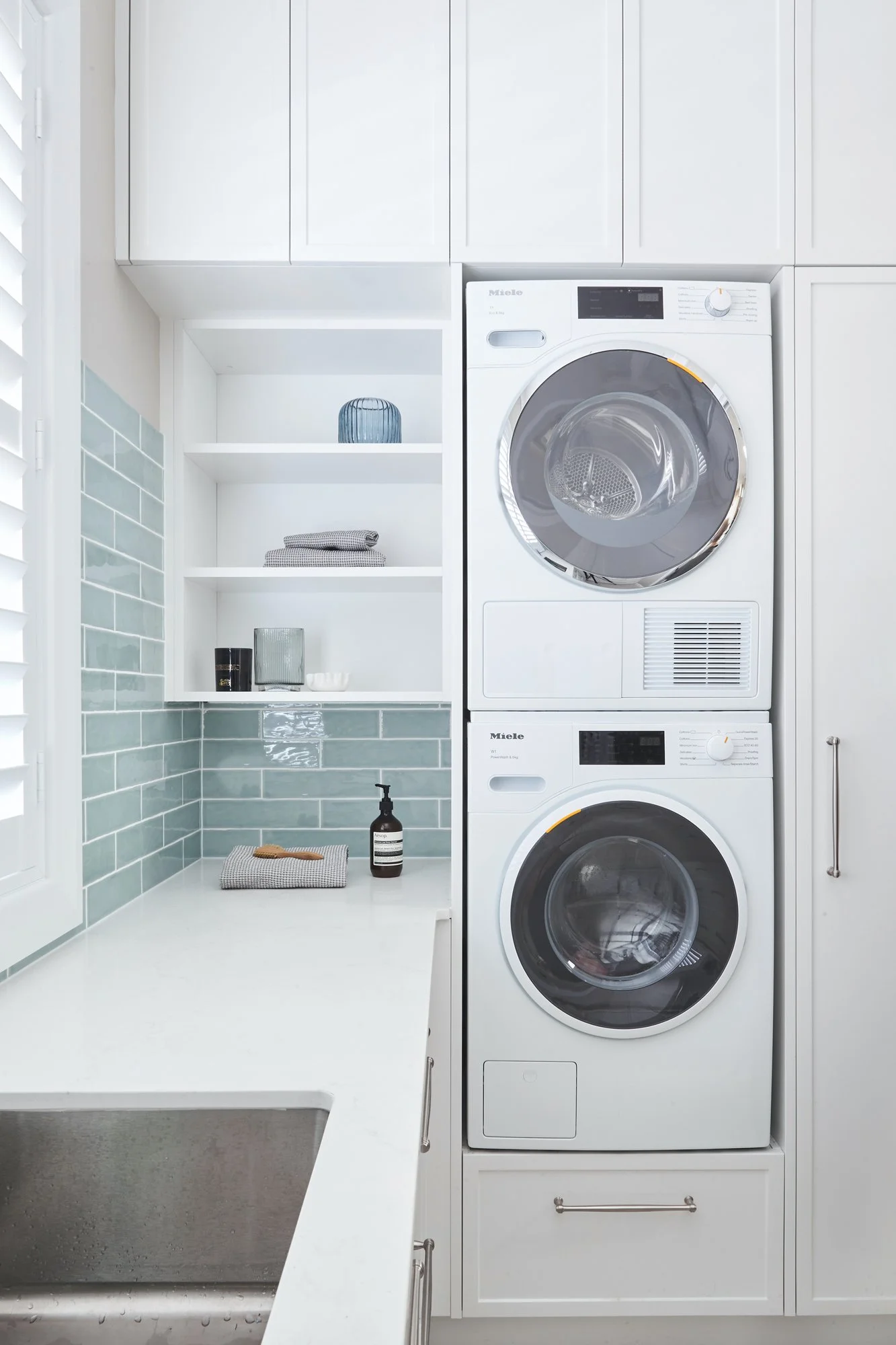
The small practical details, from joinery depth to appliance placement, are what make a home feel considered and easy to live in every day | Inside Out Colour & Design
Every view should have a destination
I also believe every view should have a destination.
As you move through a home, your eye should have somewhere pleasing to land. It might be a beautifully detailed feature wall, a framed window, a statement light fitting, artwork, a fireplace, a piece of furniture, or a glimpse into another thoughtfully designed space.
Great interiors create moments of discovery. They draw you forward. They make the home feel layered and considered without feeling overdone.
This is not about making every surface a feature. In fact, that usually creates the opposite effect. It is about visual rhythm. It is about knowing where to create impact and where to allow calm.
When an interior designer is involved early, these moments can be planned into the home rather than added later as decoration.
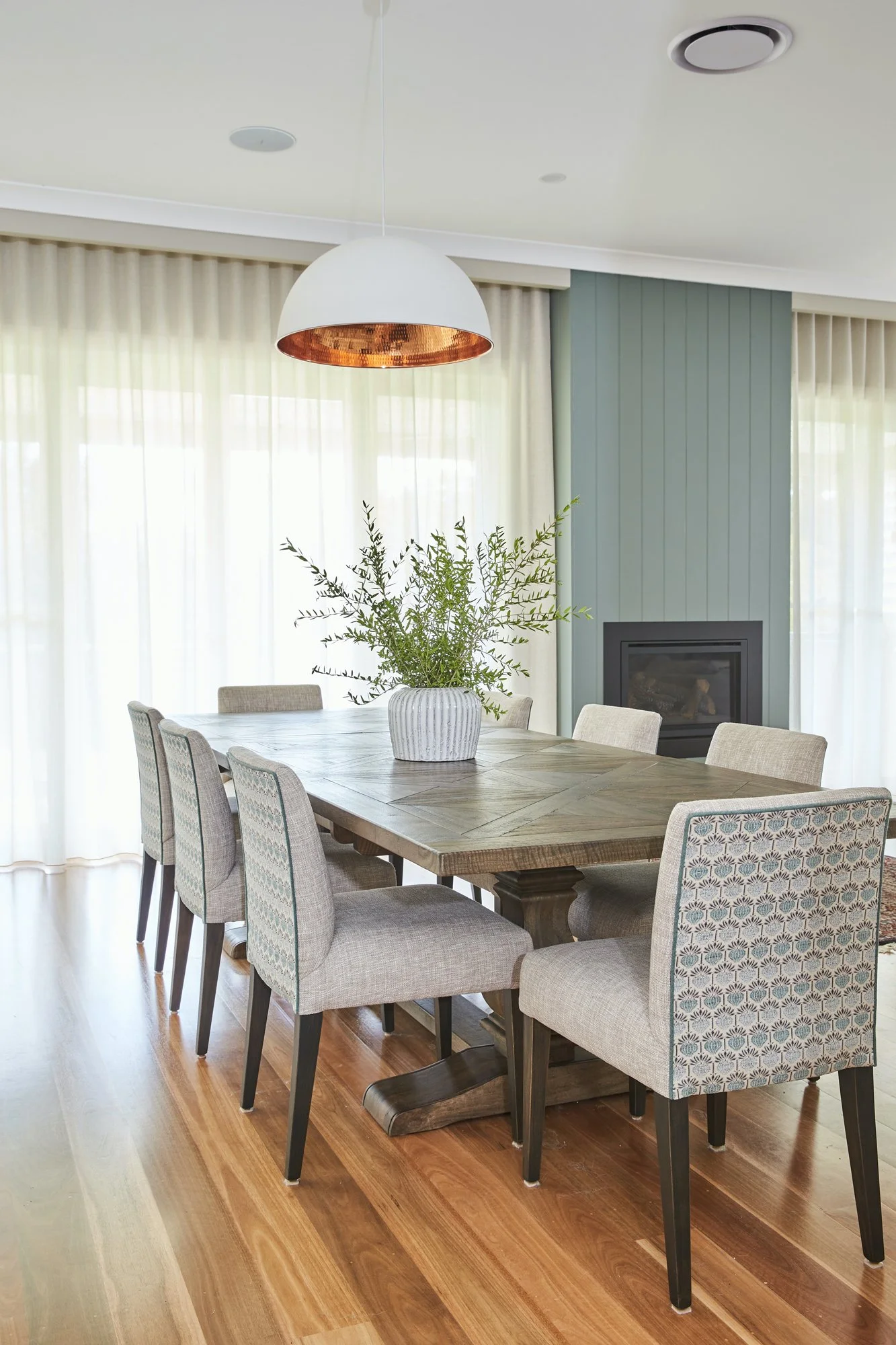
A well-planned view gives the eye somewhere beautiful to land, creating rhythm, warmth and a sense of discovery as you move through the home | Inside Out Colour & Design
Early decisions create a more cohesive result
Another reason early design involvement matters is that every decision affects the next one.
Flooring affects joinery. Joinery affects lighting. Lighting affects paint colours. Paint colours affect window furnishings. Window furnishings affect how soft or hard a room feels. Furniture affects circulation and scale.
If those decisions are made separately, the home can start to feel disconnected. Nothing may be obviously wrong, but the result can feel slightly unresolved.
When the design direction is established early, selections become easier and more confident. There is a clear thread running through the project. The bathrooms, kitchen, laundry, living spaces, exterior colours and furnishings all feel like they belong to the same home.
That is the difference between a series of nice choices and a truly considered result.
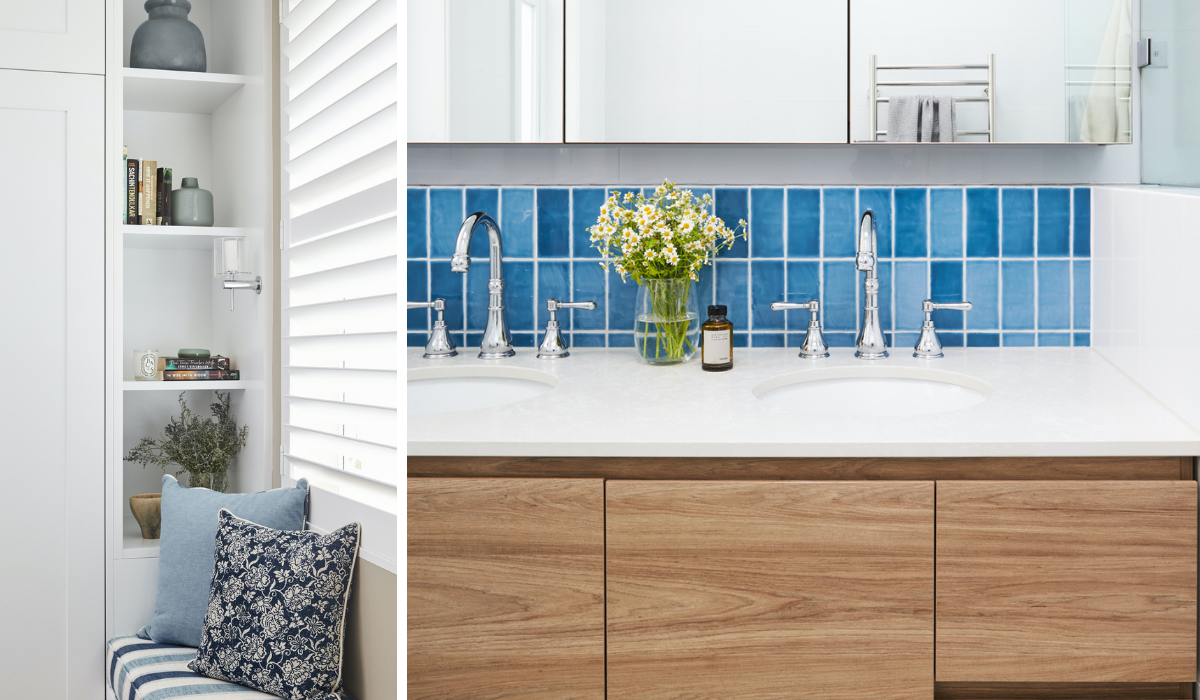
Early planning creates a clear design thread, so every selection feels connected, confident and beautifully considered | Inside Out Colour & Design
Great design is about real life
Ultimately, great design is not about following trends or creating rooms that photograph well. A home can look impressive in an image and still be difficult to live in.
The best homes function beautifully. They feel intuitive. They support daily routines. They have storage where it is needed, light where it matters, privacy where it counts and beauty in the moments you notice every day.
That does not happen by accident.
It happens when design starts early, when the right people collaborate, and when the people who will live in the home are placed at the centre of every decision.
After 22 years, I still believe the best design work begins long before construction begins. It begins in the planning, the questions, the conversations and the careful consideration of how a home should feel.
When that foundation is right, the finished home has a much better chance of doing what every good home should do: work beautifully, feel personal and continue to bring joy long after the project is complete. The projects featured throughout this post are some of my favourites from the past 22 years, and they are a reminder that the best results rarely happen by accident. They come from early planning, thoughtful collaboration and a deep understanding of how people want to live.
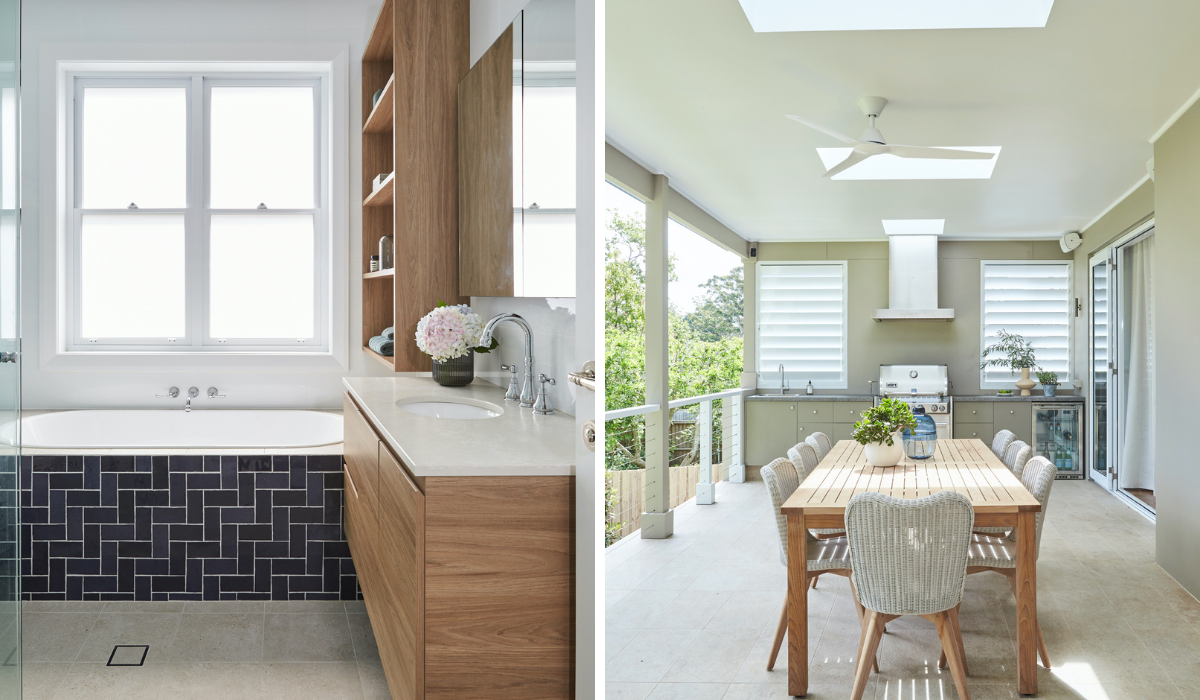
Great design supports real life, creating spaces that feel beautiful, practical and effortless every day | Inside Out Colour & Design