
Design Support, Not a Full Renovation: The Small Scopes That Make a Big Difference
Not every home needs a full renovation to feel better. In fact, some of the most satisfying transformations I’ve seen happen through smaller, focused projects, the kind that remove friction from everyday life and pull a space together properly.
I work full-service, which means I’m often brought in for big renovations. But I also love the smaller scopes, especially for past clients and referrals, because they’re incredibly effective when the bones of a home are already good. Sometimes all that’s missing is clarity and a plan for the final layer.
If your home feels “almost there” but not quite finished, these are the kinds of projects that can make a big difference without turning your life upside down.
Why small scopes work so well
A “small scope” is not a quick fix or a styling session where you buy a few new cushions and hope for the best. It’s targeted design support, applied where it counts.
Most homes don’t feel unfinished because everything is wrong. They feel unfinished because a few key elements were never resolved together. Lighting wasn’t planned. Window furnishings were left until the end. Furniture is the wrong scale. The colour story is close, but not cohesive. Or the layout is fine, but it doesn’t support how you actually live.
Small scopes work because they focus on the 20 per cent that changes the experience of a space. They also help you avoid the “drip feed” approach, where you keep buying things over time but the room still doesn’t land.
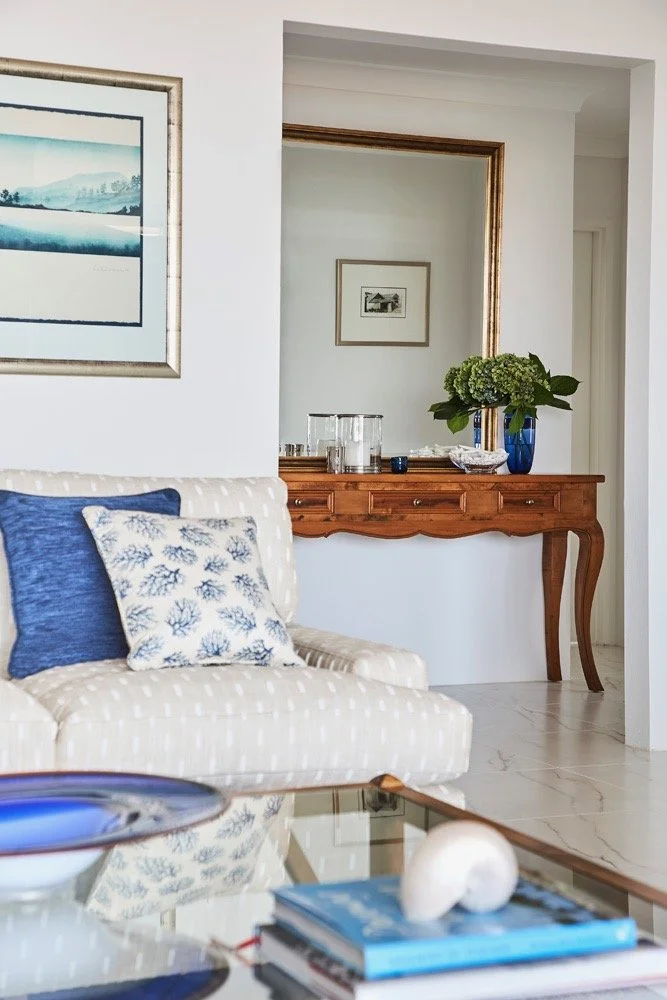
One plan, big impact. When the essentials are resolved together, the whole room instantly feels calm and finished | Inside Out Colour & Design
1) A finishes refresh that makes the whole home feel newer
A finishes refresh is one of the smartest ways to modernise a home without renovating. It’s not about changing everything, it’s about aligning the key surfaces and details so the home feels consistent and intentional.
This can include:
paint palettes (including the undertone story so everything sits together)
flooring and rug direction, if needed
hardware and metal finishes so they stop fighting each other
tapware and bathroom accessories where it makes sense
lighting finishes to add cohesion
A finishes refresh is particularly helpful if your home has had updates at different times, and you can feel it. The goal is to make the home read as one considered story.
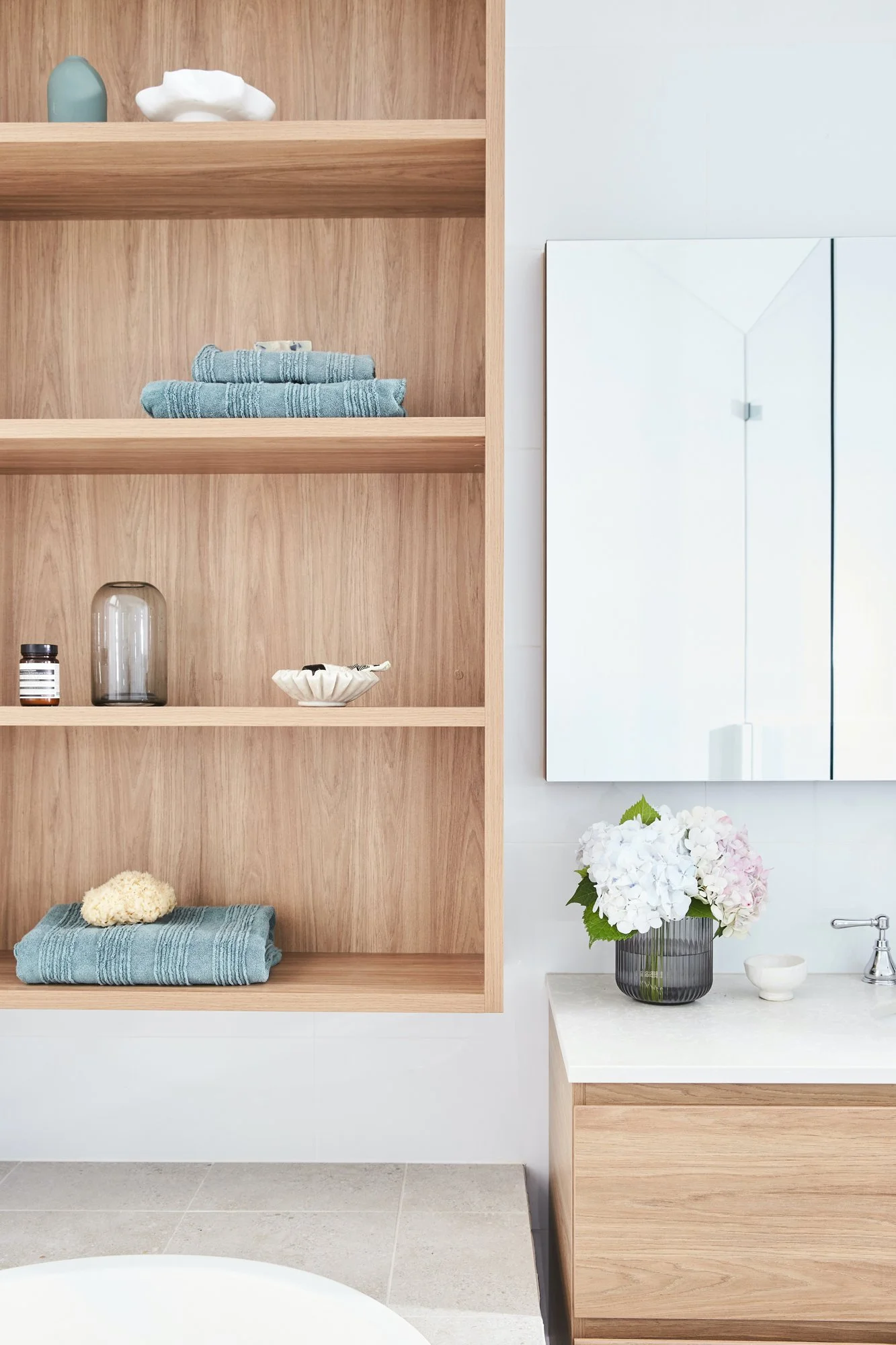
A finishes refresh is the quickest way to make your home feel cohesive and current, by aligning the key surfaces and details so everything reads as one considered story | Inside Out Colour & Design
2) A furniture plan that solves the “nice things, no cohesion” problem
Furniture is one of the biggest investments people make in their homes, and it’s also where I see the most money wasted through trial and error. A furniture plan brings clarity before you buy, so you’re not guessing on size, layout, or what will actually work.
A good furniture plan addresses:
layout and flow, especially in open-plan spaces
correct scale for key pieces (so the room feels balanced)
how to mix old and new pieces so it looks collected, not mismatched
rug sizing and placement (a common pain point)
creating focal points and visual hierarchy
a cohesive direction for colour, materials and texture
This is ideal if you are moving into a new home, changing how a room is used, or you simply want your living space to feel finished without replacing everything.
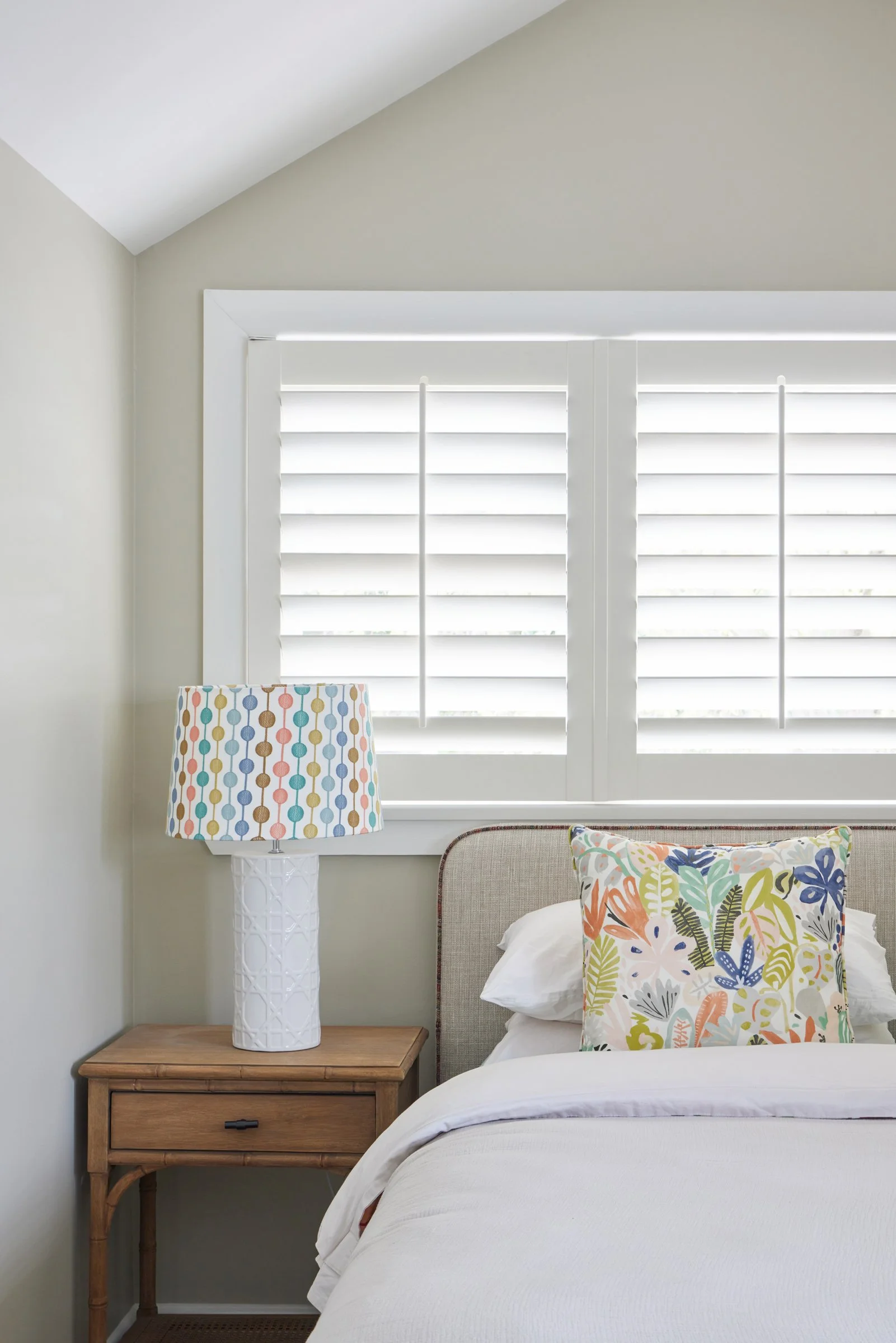
A clear furniture plan brings the pieces together, so your room feels balanced, layered and finished, without needing to replace everything | Inside Out Colour & Design
3) A lighting review that changes the mood of your home overnight
Lighting is one of the most underestimated design tools. The right lighting can make a room feel warmer, more luxurious, and more relaxing, even if you do nothing else.
A lighting review looks at:
whether you have the right mix of ambient, task and accent lighting
where downlights are flattening the room
where a pendant, wall light or lamp would add softness and character
colour temperature choices so the light feels flattering and calm
what should be on dimmers and why
practical placement so lighting supports how you use the room
In our Australian homes with strong natural light, evening lighting is often what makes the difference between “fine” and “I love being here”.
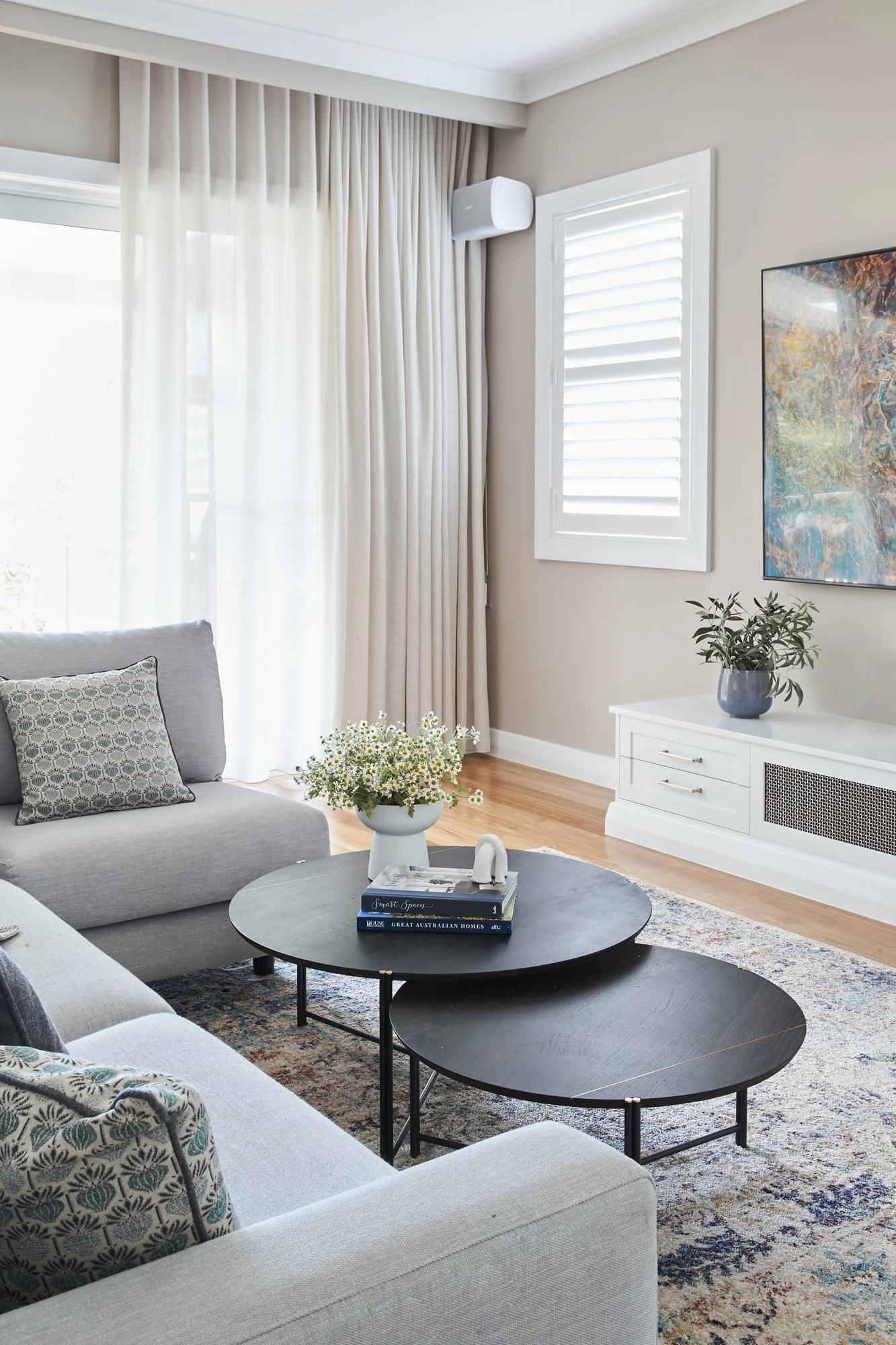
Soft, layered lighting turns a room from bright and functional into warm, welcoming and beautifully lived-in | Inside Out Colour & Design
4) Window furnishings that make rooms feel complete
Window furnishings are often left until late because they feel like a final detail. In reality, they shape how a room feels every day. They affect light, privacy, acoustics, softness, and the perceived quality of the space.
A window furnishings scope can include:
curtain style and proportion (fullness matters)
fabric selection and lining choices
layering, such as sheers plus blockouts
solutions for tricky windows, doors, and open-plan areas
privacy without losing natural light
consistency across connected spaces
If a room feels a little bare or echoes, or if it looks finished in the day but harsh at night, window furnishings are often the missing layer.
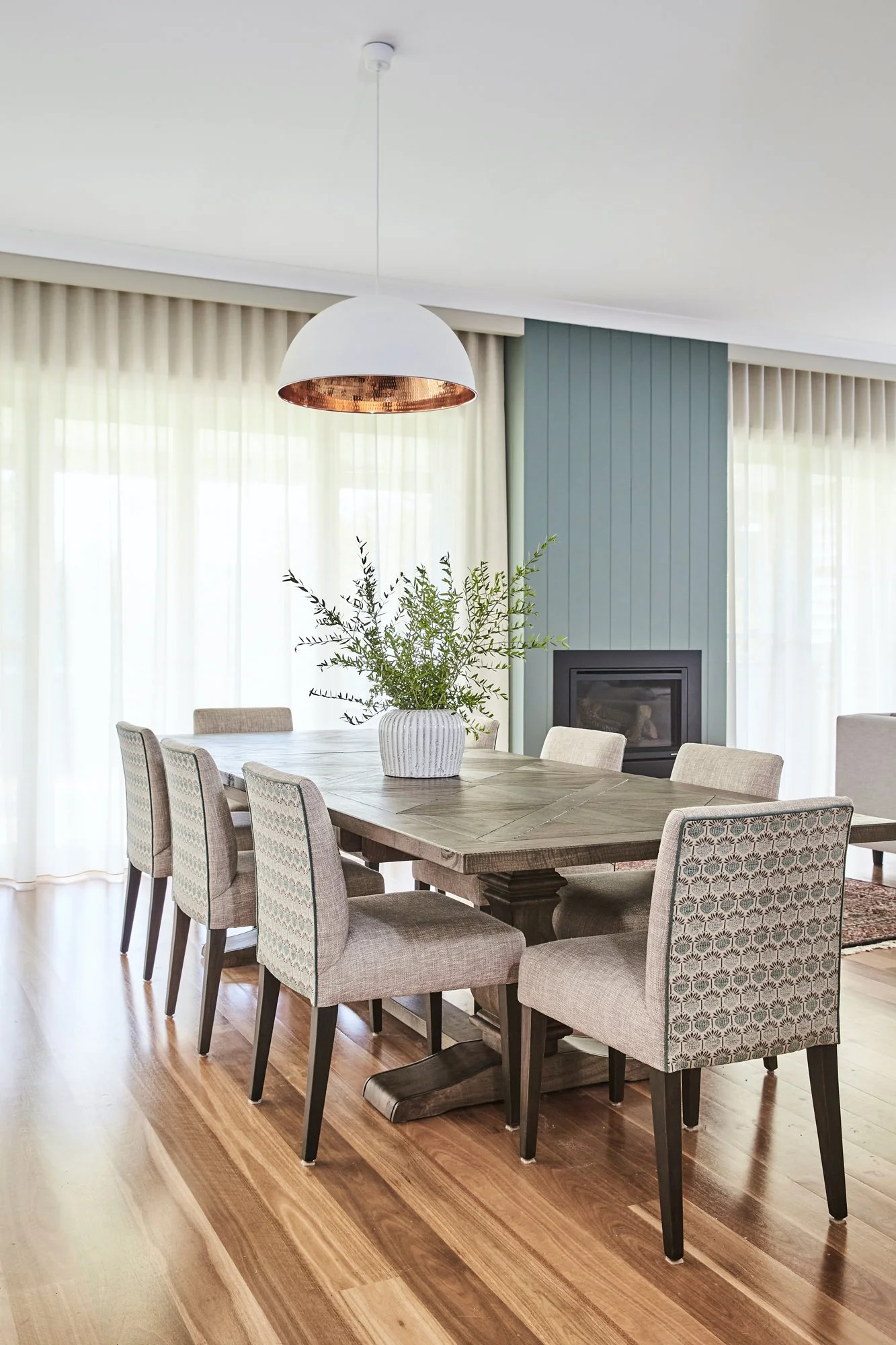
Window furnishings are the finishing layer that instantly makes a room feel softer, calmer and truly complete | Inside Out Colour & Design
5) Storage and finishing touches that make the space feel calm
Sometimes the “finished” feeling comes from what’s thoughtfully contained, not what’s added. When storage is planned properly, everyday items stop living on the benchtop, shelves feel intentional, and the whole room instantly feels calmer. A well-designed appliance cupboard or pantry zone is a great example. It supports real routines, keeps visual clutter out of sight, and helps the space stay looking good even on busy weekdays. Done well, storage becomes part of the design story, not an afterthought, and it’s often the missing layer between “nice” and truly settled.
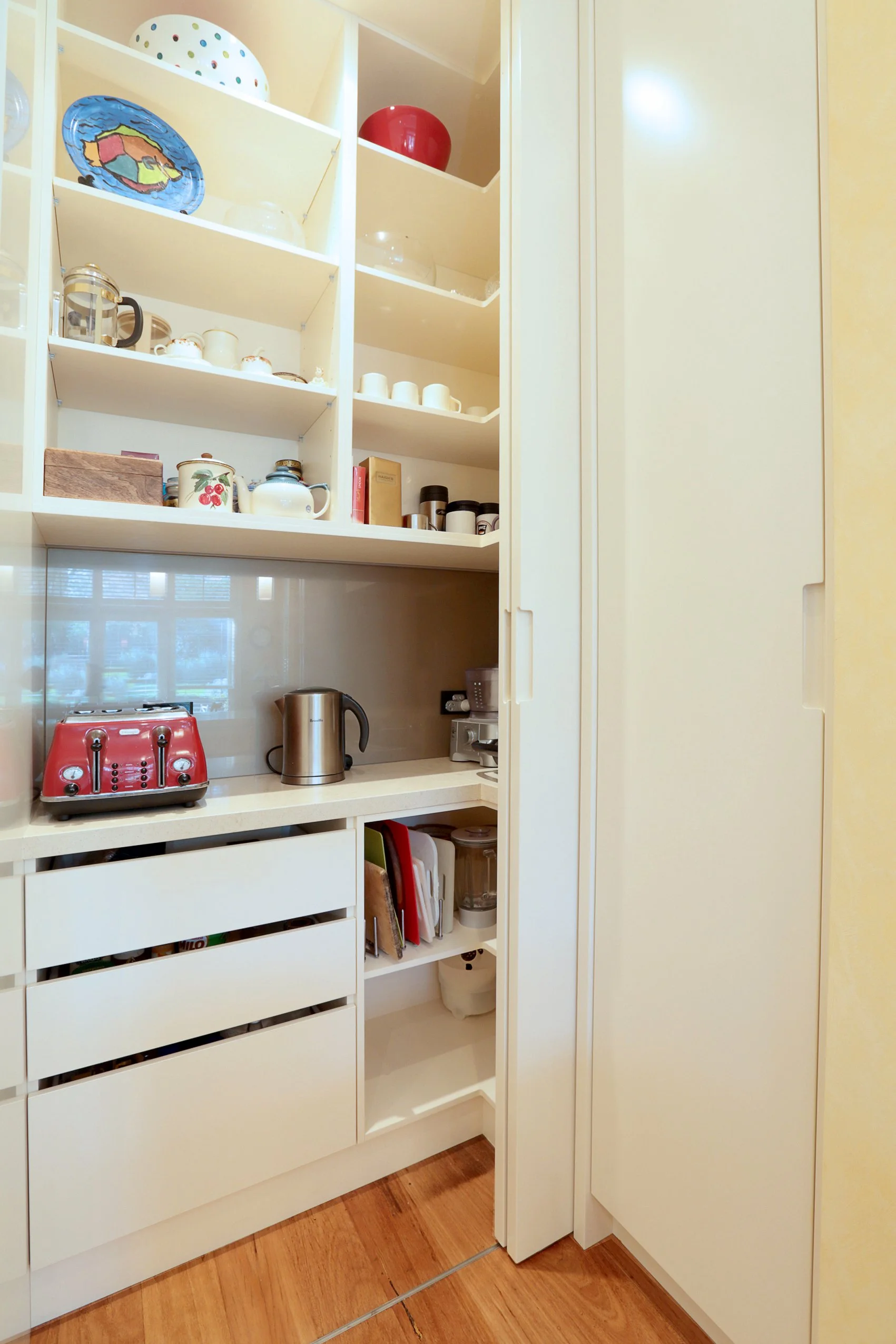
A beautifully resolved “everyday zone” that keeps the benchtop clear and the whole space feeling calm and considered | Inside Out Colour & Design
6) Space planning for problem rooms
Sometimes the issue is not what you own, it’s how the space works. A space planning consult can be incredibly effective for rooms that feel awkward, underused, or constantly cluttered.
Space planning support might include:
reworking the layout for better circulation
creating zones in open-plan spaces
improving entry function and drop zones
designing a “third space” nook, such as a mini study, reading corner or coffee station
identifying storage opportunities that suit daily habits
When the layout works, the room becomes easier to live in, and everything else falls into place.
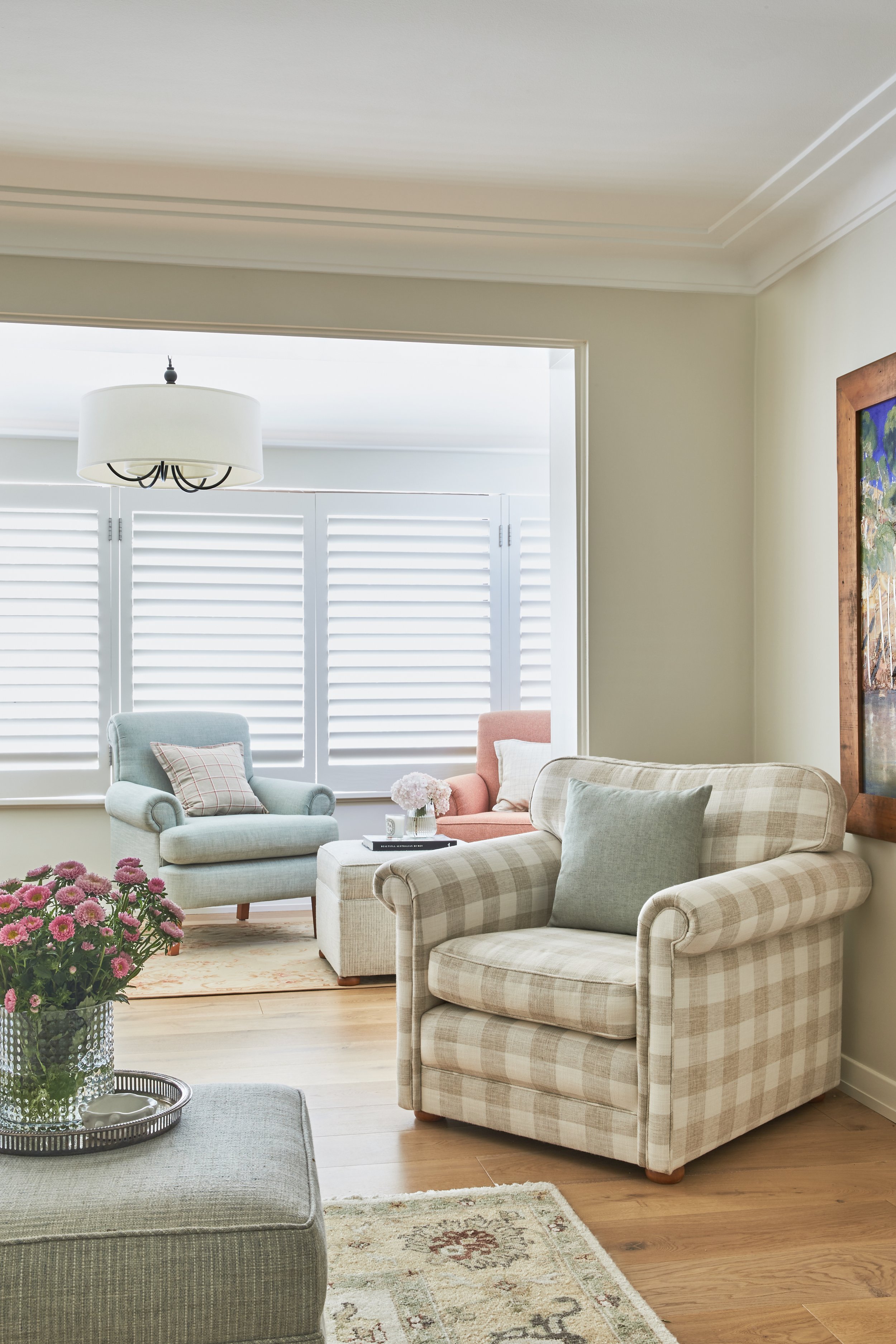
A few smart layout tweaks can unlock better flow, clearer zones, and calmer daily living, without changing everything you own | Inside Out Colour & Design
Which small scope is right for you?
Here’s a simple way to think about it:
If you’re mostly happy but the home feels inconsistent, start with a finishes refresh.
If you keep buying items but nothing lands, you need a furniture plan.
If your home feels flat or harsh at night, a lighting review is a great start.
If rooms feel bare, echoey, or too exposed, look at window furnishings.
If it’s nearly there but not settled, you’re probably missing the finishing layer and styling.
If the space annoys you daily, begin with space planning.
Most people don’t need all of these at once. The right first step is the one that changes the experience of your home most quickly.
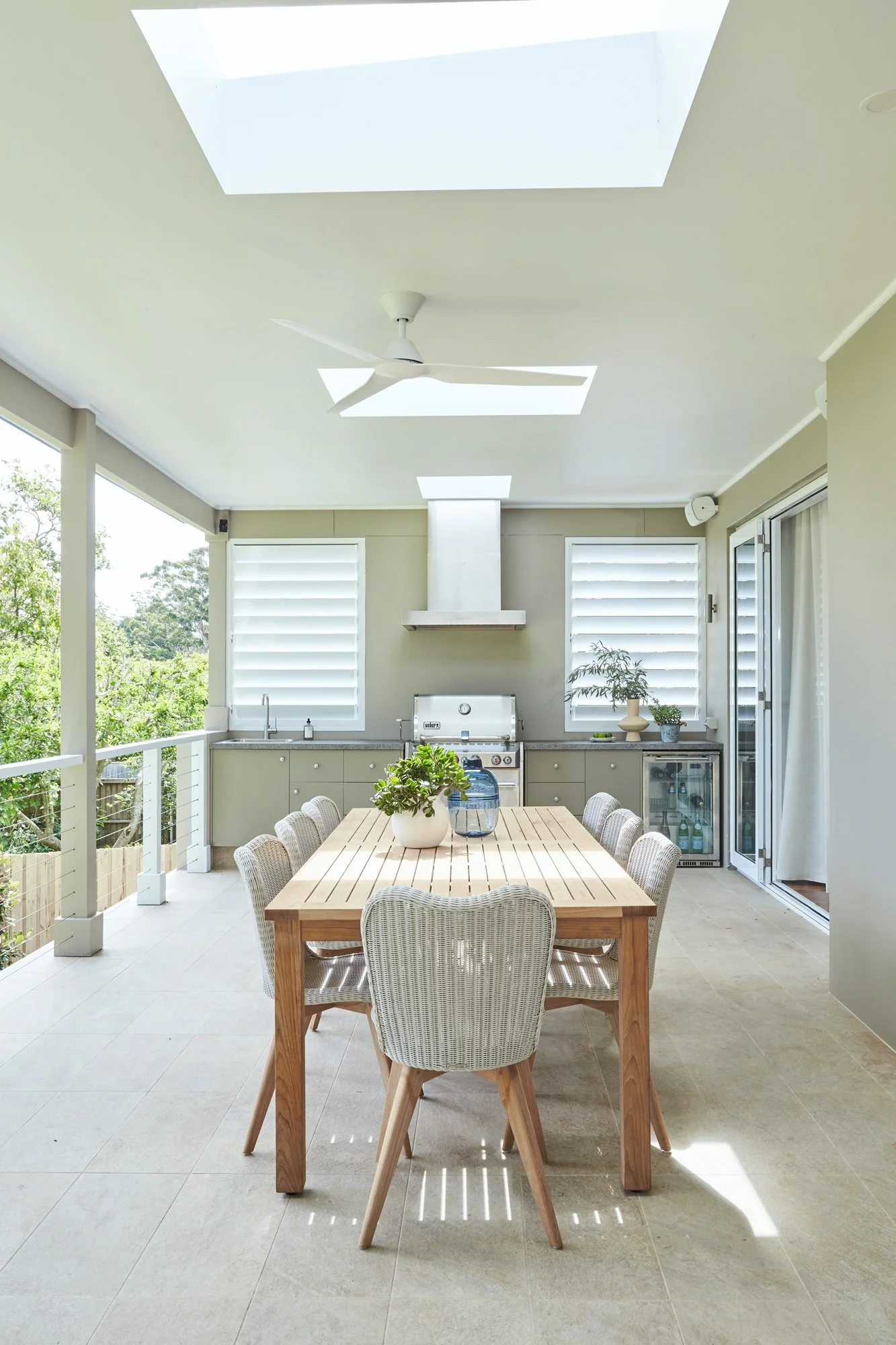
The right small scope creates a big shift in how your home feels, without doing everything at once | Inside Out Colour & Design
Design support without the disruption
Small scopes are powerful because they create progress without the disruption of a full renovation. They also give you professional clarity, so decisions become easier and your home starts to feel calm and cohesive again.
If you’re a past client, or you’ve been referred by someone I’ve worked with before, and you’d like help with one of these smaller projects, I’m always happy to support where I can. Sometimes that’s a focused consult to confirm direction, sometimes it’s a clear plan you can action in stages, and sometimes it’s hands-on support through selections and procurement. The goal is the same: a home that feels like it’s working properly for you.