
Why Your Home Feels “Fine” but Not Finished
Have you ever looked around your home and thought, “It’s nice… but something’s missing”? Nothing is obviously wrong. The furniture is decent. The colour palette is fine. The room is tidy. And yet it still doesn’t feel settled or complete.
This is one of the most common things clients say to me, and it’s not a reflection of bad taste. It’s usually a sign that the room has plenty of good ingredients, but it’s missing the design thread that pulls everything together.
Allow me to explain why a home can look fine but not feel finished, and what designers look for when we’re creating that cohesive, “ahhh” feeling.
“Finished” is a feeling, not a shopping list
A finished home isn’t about having expensive furniture or copying a showroom. It’s about cohesion. Everything relates. Nothing fights. The room has a clear mood. You can see how it all connects, even if you can’t put your finger on why.
When a room feels unfinished, it’s usually because the decisions have been made one at a time. A sofa bought first, then a rug, then cushions, then art. Each piece might be perfectly nice, but without an overall plan, the end result can feel slightly accidental.
1) Scale is the most common culprit
If there’s one design issue that makes a room feel “off” quickly, it’s scale. A room can have beautiful pieces, but if the proportions are wrong, it won’t feel resolved.
Common scale mismatches I see, include:
a rug that’s too small for the seating zone
a coffee table that’s the wrong height or too tiny for the sofa
dining chairs that feel bulky for the room size
artwork that’s too small for the wall or hung too high
lamps that are under-sized and don’t anchor the space
Scale is tricky because you often don’t realise it until everything is in place. As designers we anticipate this early, so you don’t waste money on pieces that never quite work.
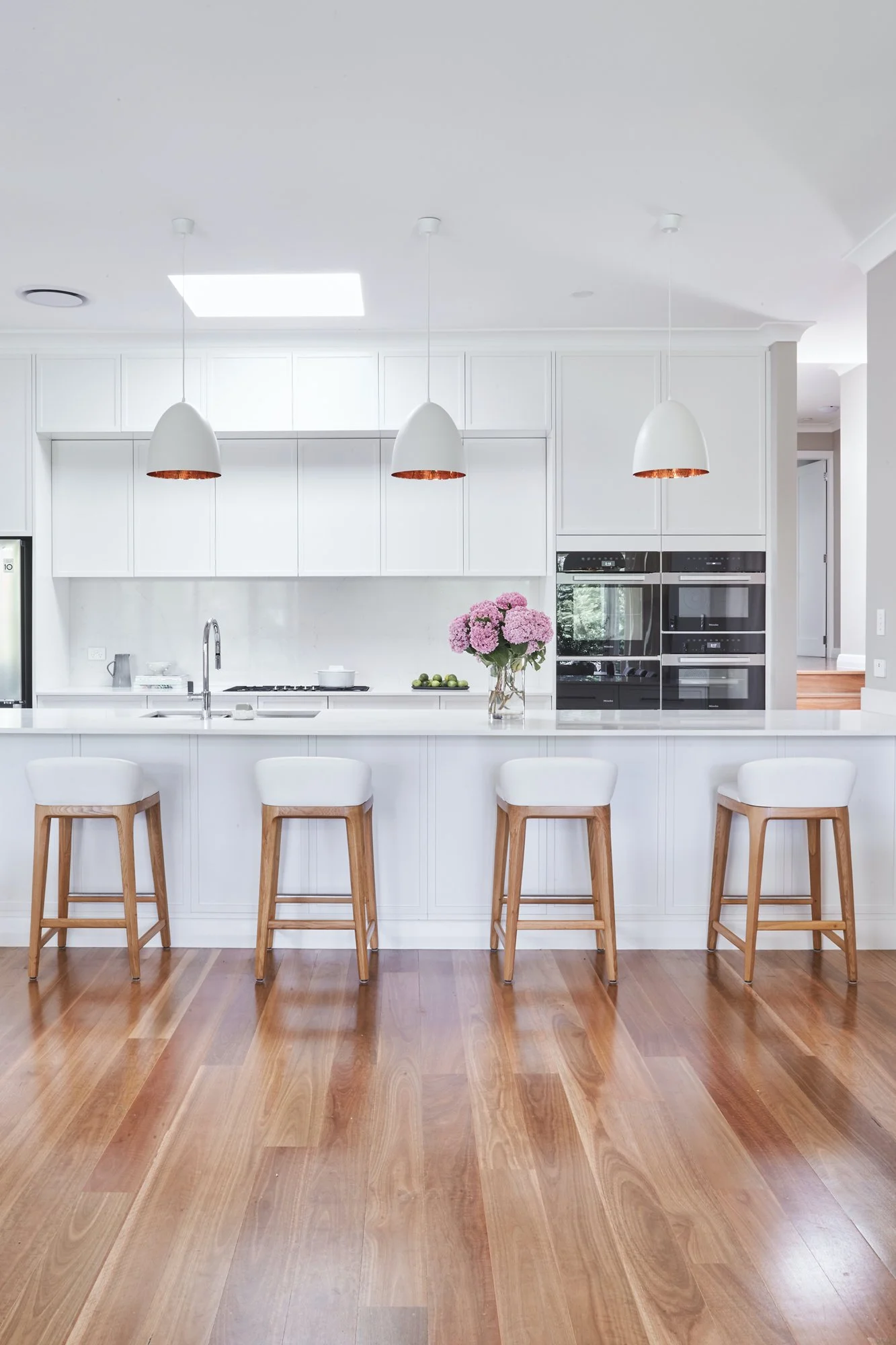
Good scale makes a room feel effortless and finished | Inside Out Colour & Design
2) Lighting can make a good room feel flat
Another reason homes feel unfinished is lighting. Many rooms rely on downlights alone, especially in open-plan spaces. The result can be bright, but not welcoming. It also flattens the room, because you lose shadows, layers, and mood.
A finished room usually has three layers of light:
ambient light for general brightness
task light where you need function
accent light for warmth and atmosphere
This doesn’t have to mean a big renovation. Even in a beautifully furnished room, poor lighting will keep it feeling a little stark. Here in Sydney and Brisbane, where natural light can be strong during the day, evening lighting is what creates that sense of comfort and “this is home” at night.
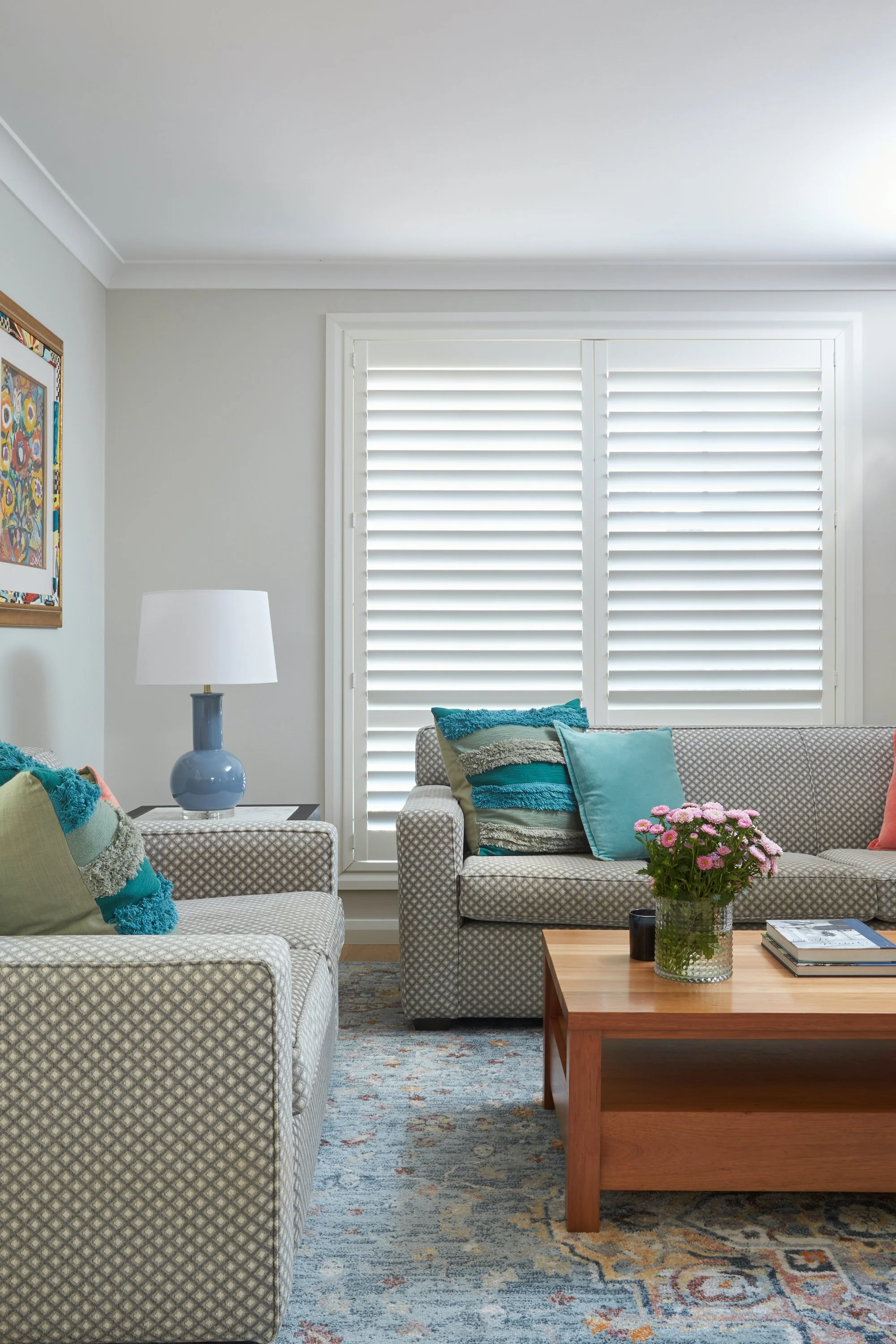
Layered lighting adds warmth, depth and that “this feels like home” glow after dark | Inside Out Colour & Design
3) Undertones and contrast might be fighting each other
Sometimes a room feels unfinished because the colour story is unclear. Not the obvious colours, but the undertones and the level of contrast.
For example:
a warm timber floor with a cool grey rug
a creamy wall colour with stark white trims or window furnishings
a mix of black, brass, chrome and silver without a plan
too many “almost neutrals” that don’t share an undertone
This is where rooms can feel slightly messy even when they’re tidy. Designers pay close attention to undertones because they’re what create harmony.
Contrast matters too. Some people love a soft, tonal room with gentle contrast. Others prefer crisp contrast, darker accents, and defined edges. A room often feels unfinished when it’s stuck in the middle without intention.
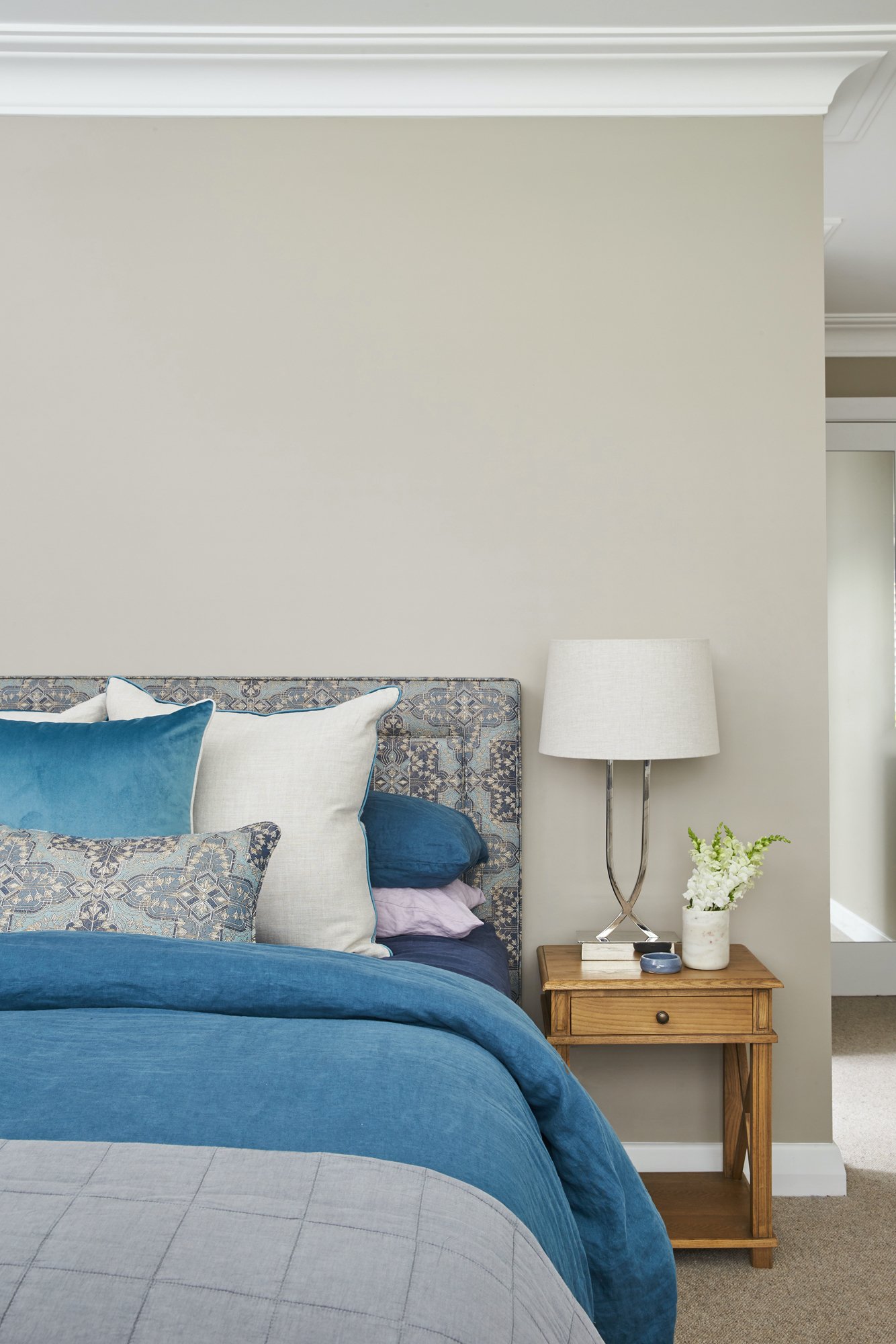
When undertones and contrast are in sync, everything feels calmer, cleaner and more cohesive | Inside Out Colour & Design
4) Repetition is what makes a room feel cohesive
Designers repeat things on purpose. It’s one of the quiet tricks that makes a room feel finished, and it’s rarely accidental in the rooms you admire.
Repetition can look like:
repeating a metal finish across lighting, hardware and furniture legs
repeating a key colour in small doses (cushions, art, a vase, a throw)
repeating shapes (curves, arches, rectangles)
repeating timber tones or stain levels
Without repetition, a room can feel like a collection of unrelated pieces. With it, even a mix of styles can look intentional.
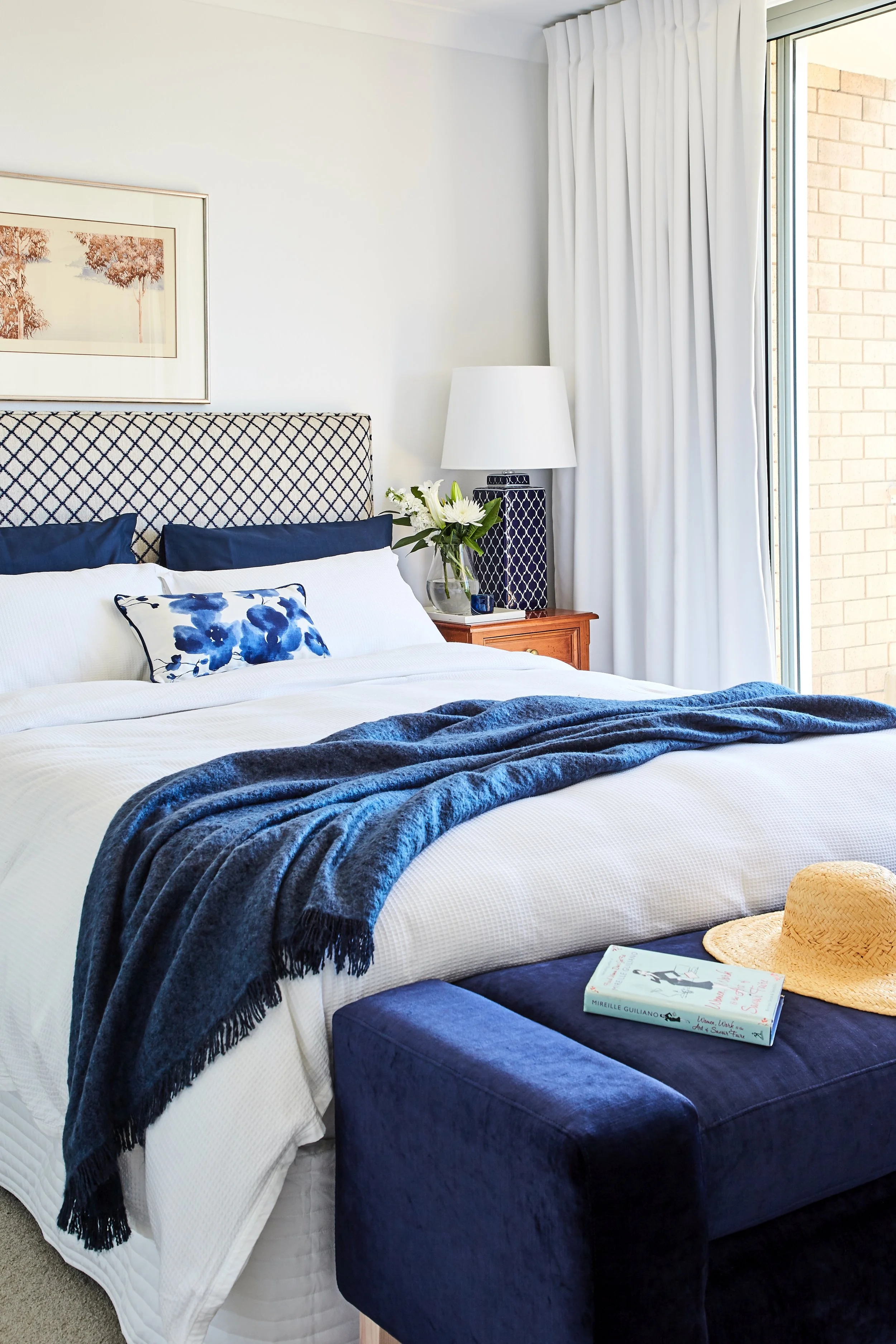
Repeating key colours and finishes is what ties everything together and makes a room feel finished | Inside Out Colour & Design
5) The “hero” moment is missing, or there are too many heroes
A finished room usually has a focal point, something that anchors the space. It might be artwork, a fireplace, a beautiful rug, a statement pendant, or even a well-proportioned sofa in the right position.
A room can feel unfinished when:
there’s no focal point, so your eye doesn’t know where to land
there are too many competing features, so nothing feels calm
This is especially common in open-plan living, where everything is visible at once. A designer creates hierarchy so the room feels organised visually.
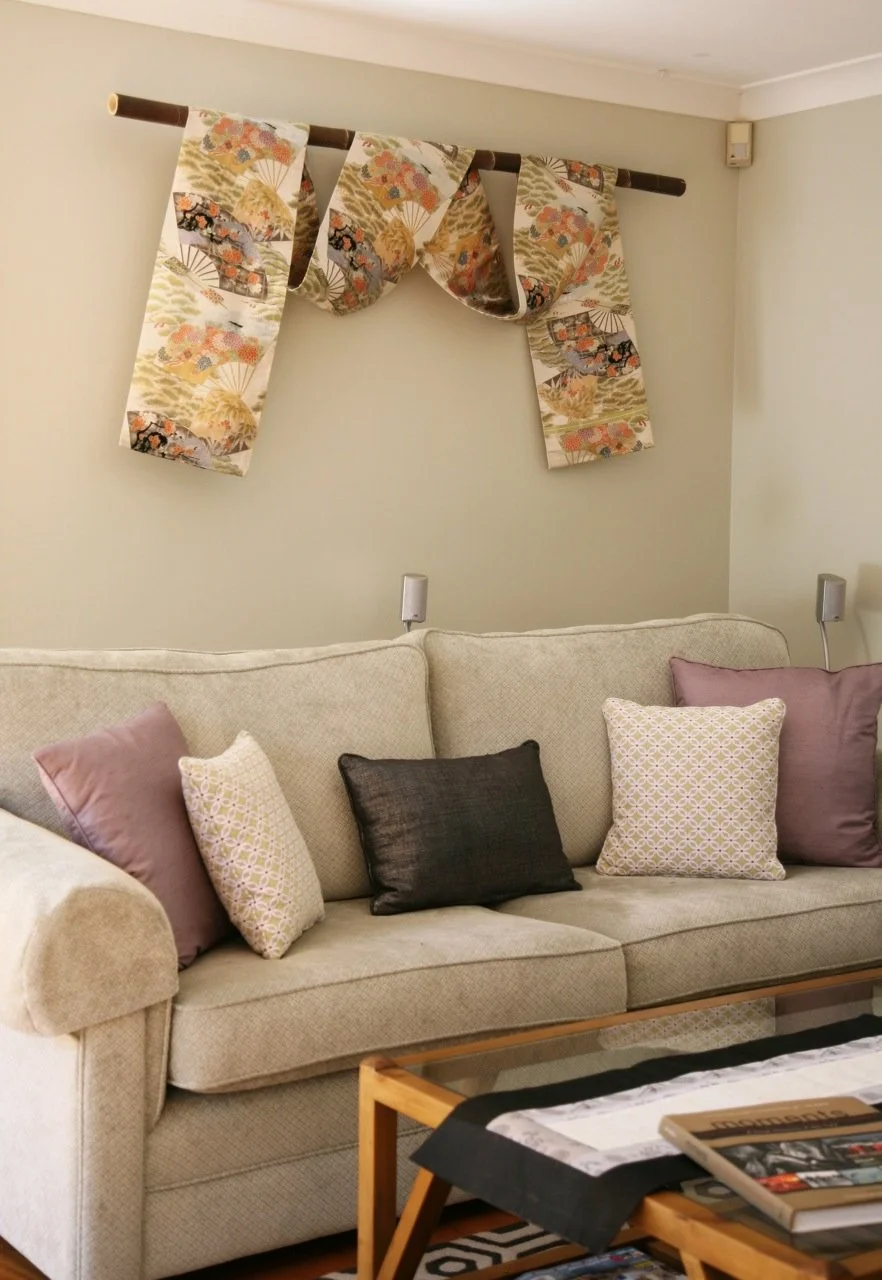
A clear focal point gives your eye somewhere to land, and instantly makes the whole room feel more settled | Inside Out Colour & Design
6) The room hasn’t been edited
One of the most surprising things to people is that a finished room is often the result of editing, not adding.
I’m not talking about minimalism. I’m talking about making sure each piece has a purpose, and the room has breathing space.
Unfinished rooms often have:
too many small items and not enough strong shapes
styling spread evenly across every surface
furniture that is all similar scale and weight
clutter without a dedicated home
A finished room feels calmer because it’s curated. That’s a skill, and it’s one of the things clients love most when we complete a project. The home feels lighter to live in.
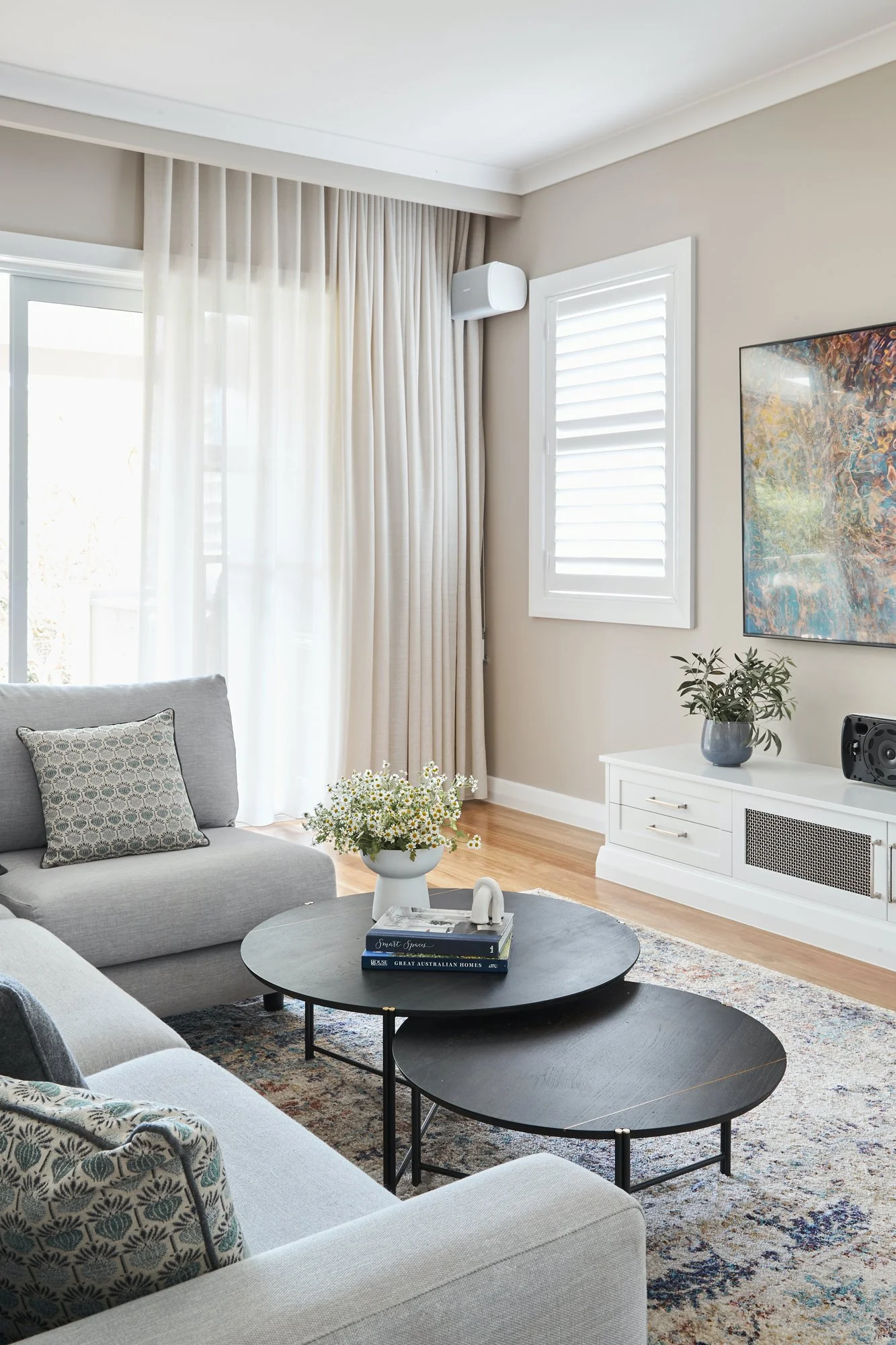
Editing is what gives a room breathing space, so the best pieces can shine and the whole space feels calm | Inside Out Colour & Design
7) The layout isn’t supporting real life
Finally, a room can look nice but still feel annoying to use. If the layout doesn’t support how you live, you’ll never experience it as finished.
Layout issues might include:
walkways that cut through the seating zone
chairs that are too far apart for conversation
no landing zones for daily items
no clear zones in open-plan spaces
This is why I often start with space planning before we talk about furniture or finishes. When the layout works, everything else becomes easier.
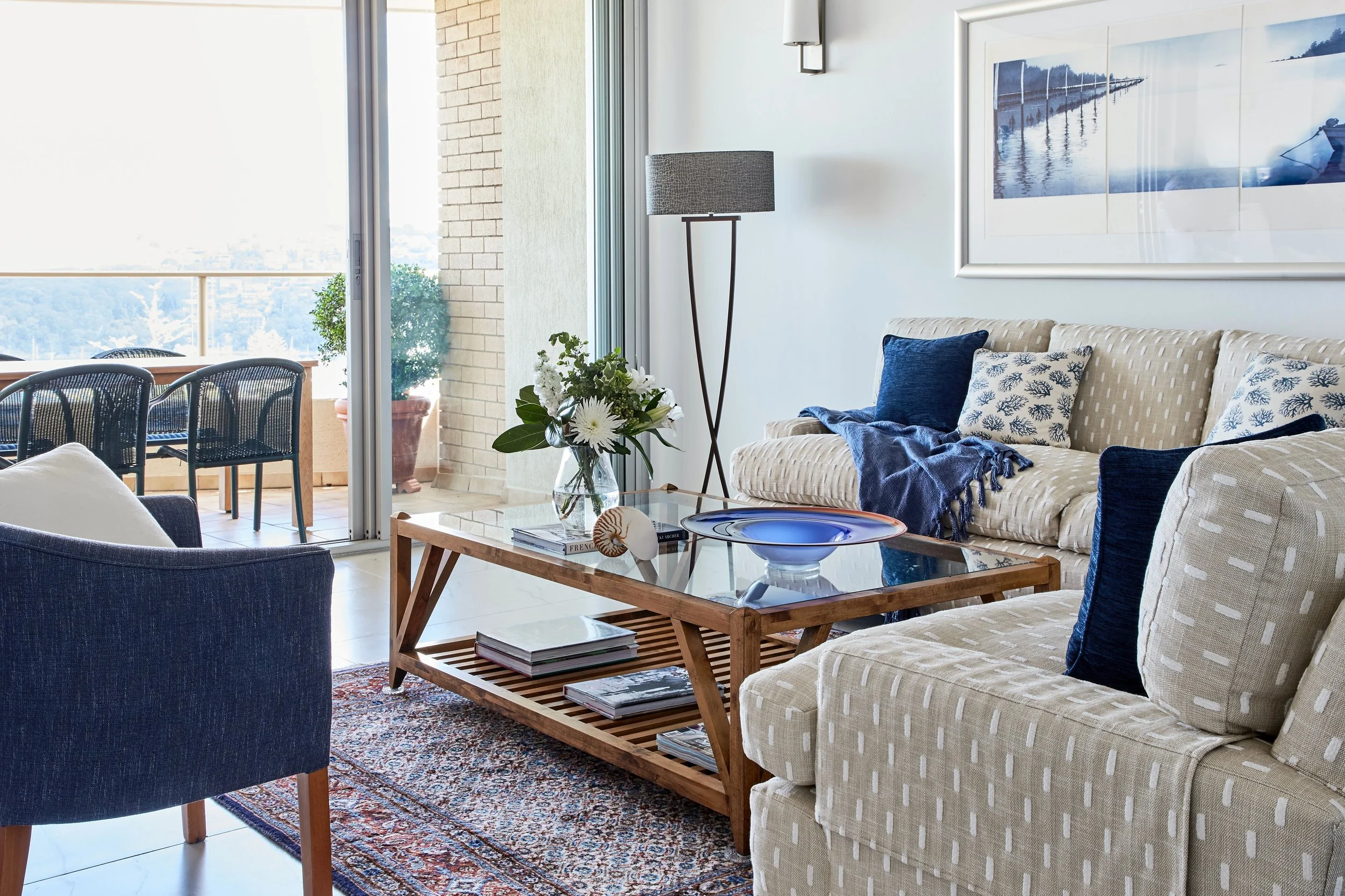
A well-planned layout creates easy flow, clear zones, and a space that actually works for the way you live | Inside Out Colour & Design
How I help clients turn “fine” into finished
When a client tells me their home feels fine but not finished, my job is to diagnose what’s missing and create a clear plan. That usually includes:
refining the layout so it works better
checking scale and proportion for key pieces
creating a cohesive palette and undertone story
planning layered lighting for warmth and function
choosing a few focal points and calming the rest
editing and styling so the room feels intentional
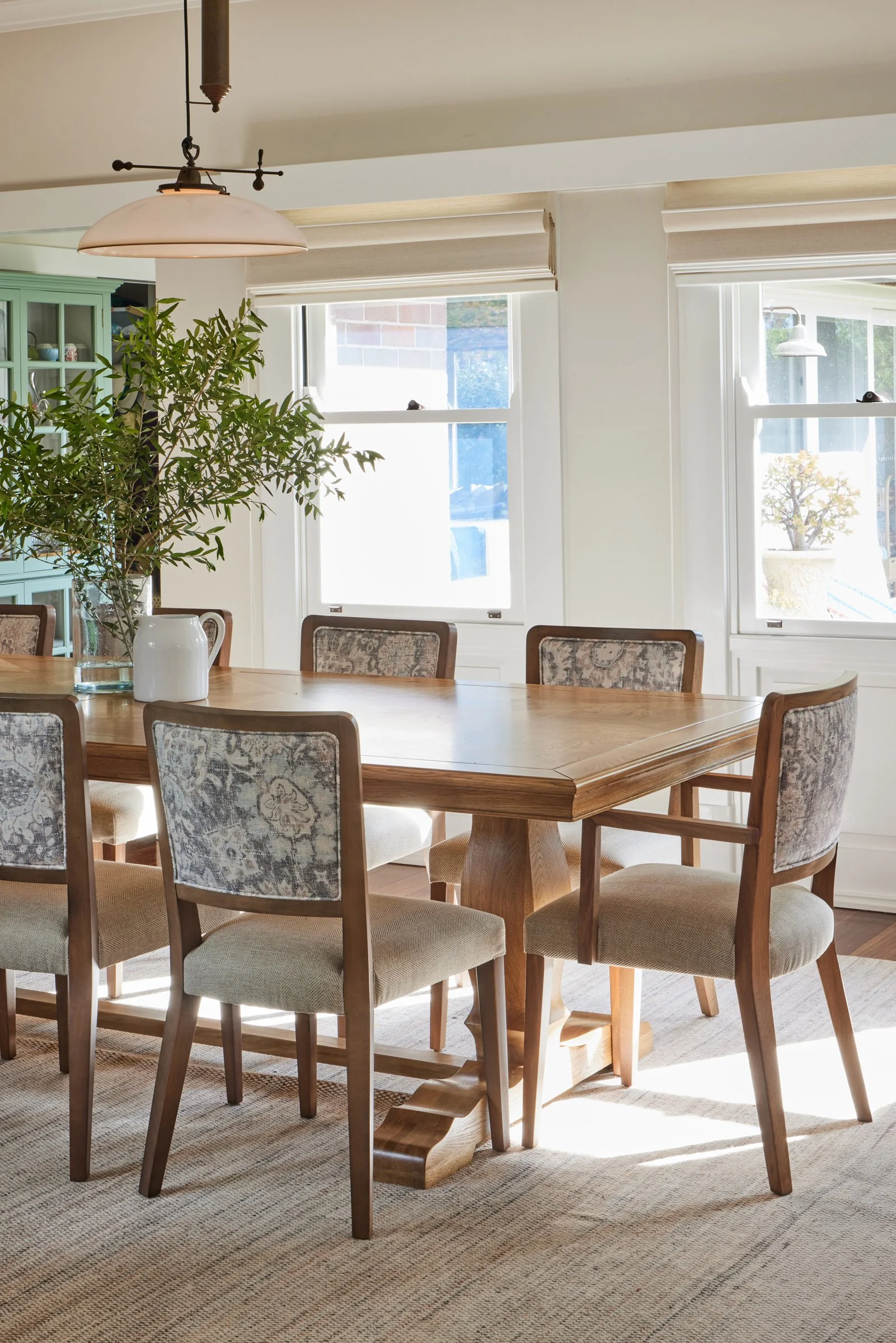
A clear plan is what turns “fine” into finished, by pulling layout, scale, colour and lighting into one cohesive direction | Inside Out Colour & Design
Often, we don’t need to replace everything. We need to make better decisions about what stays, what changes, and what will actually move the needle.
If your home is “almost there”, that’s actually a really good sign. It usually means the foundations are in place, and what’s missing is a bit of clarity around scale, lighting, layout and the way the pieces relate to each other. With the right plan, those final decisions become much easier, and the whole space starts to feel settled.
And if you’d like a hand bringing it all together, I’m always happy to help where I can, particularly for past clients and referrals. Sometimes that looks like a focused consult to confirm direction, sometimes it’s refining a room plan, and sometimes it’s supporting the finishing stages so everything feels cohesive. Either way, the goal is the same: turning “fine” into finished.
Reach out, I’d love to hear from you!